
ENGLISH VERSION BELOW: PLEASE, SCROLL DOWN!
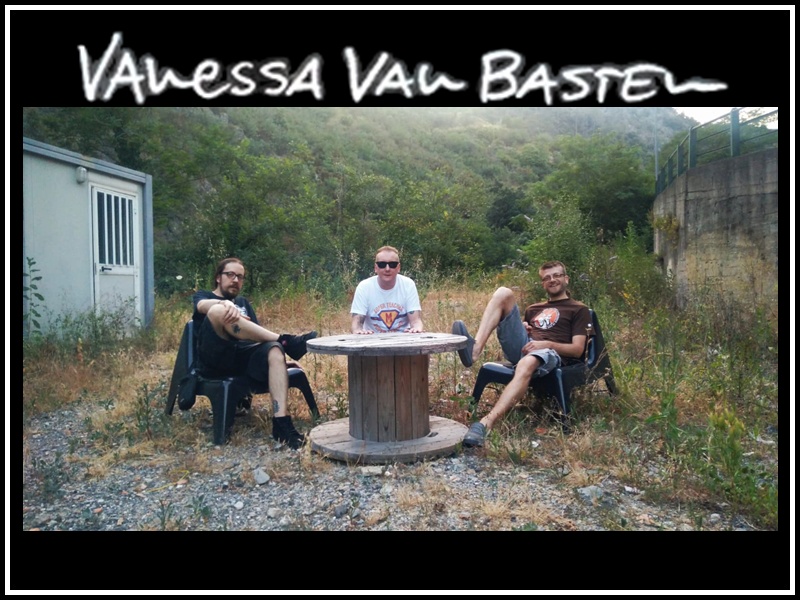
Dopo anni di silenzio, i Vanessa Van Basten tornano con “Yes”, un album che non si limita a riannodare i fili del passato, ma riafferma con convinzione una visione musicale rimasta sempre fedele a sé stessa. Pubblicato da Subsound Records, il disco ritrova l’alchimia della formazione storica e rilancia quel modo personale di intendere il post rock, dove pesantezza, atmosfera ed emozione convivono senza compromessi. In questa intervista, Morgan Bellini racconta la rinascita della band, il percorso che ha portato alla realizzazione di “Yes” e la voglia di guardare ancora avanti, senza perdere quella libertà espressiva che ha sempre contraddistinto i Vanessa Van Basten.
Ciao Morgan, e benvenuto sulle pagine de Il Raglio Del Mulo. Grazie per il tuo tempo. Dopo un lungo percorso fatto di album, split, esperimenti e periodi di silenzio, tornate con “Yes”, un disco che sembra riaffermare con decisione l’identità più profonda dei Vanessa Van Basten. Qual è stato il momento preciso in cui avete capito che era arrivato il tempo di riaccendere questa macchina creativa e dare vita a un nuovo capitolo?
Ciao e grazie a te per l’intervista. In realtà il cassetto non fu mai chiuso veramente del tutto. Ma nel 2015 iniziai a soffrire molto a causa di un problema di salute e i miei spostamenti a Genova si fecero più sporadici. Per questo motivo decisi di dedicarmi ad altri progetti più “comodi”, per i quali sentivo comunque una grande urgenza espressiva (Angela Martyr e Yellow Kings), pensando di chiudere più o meno momentaneamente il capitolo Vanessa Van Basten. La svolta è arrivata nel 2023, quando ci siamo incontrati nuovamente, e senza pretese. La magia tra noi tre è ritornata immediatamente e ci siamo messi al lavoro per iniziare a registrare le nostre nuove creazioni. Nei due anni successivi ci siamo incontrati di nuovo e oggi il risultato può essere finalmente ascoltato nella sua interezza.
Il titolo “Yes” appare semplice ma estremamente significativo, soprattutto considerando che risponde idealmente a chi si chiedeva se foste ancora in grado di realizzare un album nello spirito di “La Stanza Di Swedenborg”. Quanto c’è di istintivo e quanto di consapevole in questa scelta?
La scelta è assolutamente consapevole: si tratta di un’affermazione positiva che riguarda il nostro ritorno e l’entusiasmo con cui abbiamo lavorato.
Avete descritto il disco come un ritorno al significato più autentico del post rock, inteso come totale libertà espressiva piuttosto che come genere codificato. In fase di scrittura vi siete imposti qualche regola oppure avete volutamente lasciato che ogni brano trovasse da solo la propria direzione?
Non abbiamo mai avuto nessuna regola stilistica, come testimoniato da tutte le nostre produzioni. Semplicemente ci siamo focalizzati sulla musica che ci viene meglio, che coincide con i brani strumentali assimilabili al post rock che circolavano in Italia nella metà degli anni 2000. In sostanza abbiamo piacevolmente riscoperto il nostro sound degli esordi.
Ascoltando pezzi come “Dying In My Bed”, “Heartheaven” o “La Vita È La Droga Della Morte” si percepisce una forte componente cinematica e una continua ricerca di atmosfere. Quanto contano immagini, suggestioni e stati emotivi rispetto alla costruzione tecnica delle composizioni?
La musica dei Vanessa Van Basten non è mai stata forza bruta, rancore, odio o denuncia sociale. Dico ciò perché le band con cui suonavamo e a cui venivamo associati prima del nostro ritorno spingevano maggiormente in queste direzioni espressive. A noi piace far scaldare le valvole e usare suoni molto pesanti in alcune circostanze, ma siamo sempre stati più attratti dall’atmosfera, dall’ambiente sonoro e dalle emozioni forti che possono scaturire da una bella melodia.
La registrazione di “Yes” ha visto il ritorno della formazione storica e si percepisce una chimica molto naturale tra i musicisti. Dopo tanti anni e percorsi personali differenti, cosa vi ha sorpreso maggiormente nel ritrovarvi insieme in sala prove e in studio?
Ci ha sorpreso, come dici tu, l’estrema naturalezza con la quale i pezzi si sono sviluppati. Sono stati composti molto velocemente e senza intoppi, al punto che a un certo punto abbiamo fatto una specie di “schedule” per stare nei tempi ristrettissimi che avevamo previsto. Cose del tipo: “Domani scriviamo il quarto pezzo e dopodomani il quinto”, restando sempre ultrasoddisfatti di quanto avevamo creato. Forse alcuni arrangiamenti e alcune strutture, specialmente di basso e batteria, potevano essere rifinite e approfondite di più, ma considerando la situazione a distanza, ho preferito dedicarmi con maggiore precisione ai miei strumenti, che potevano essere registrati anche nel mio home studio a Trieste.
Nel corso della vostra carriera avete pubblicato lavori molto diversi tra loro, dagli split con gli Hemelbestormer e i MoRkObOt fino all’EP “Disintegration”, dedicato ai The Cure. Guardando oggi quel percorso, c’è qualche esperienza apparentemente marginale che invece si è rivelata fondamentale per arrivare alla maturità espressiva di “Yes”?
Ogni tassello della discografia dei Vanessa Van Basten è per noi motivo di orgoglio, nonché un passaggio fondamentale che ha contribuito a farci diventare ciò che siamo ora. E siamo in continua mutazione.
Pur mantenendo un profilo lontano dalle logiche promozionali tradizionali, siete riusciti a costruire negli anni uno status di culto, arrivando perfino a ricevere apprezzamenti da Randy Blythe dei Lamb Of God. Come vivete questo rapporto particolare con un pubblico che spesso vi scopre e vi tramanda quasi come un segreto da condividere tra appassionati?
Riguardo Randy Blythe, si può parlare tranquillamente di un momento nella musica in cui i metallari (a qualsiasi livello dell’industria) stavano guardando favorevolmente a band più pesanti e sperimentali e quindi, grazie alle nostre pubblicazioni negli USA e con un pizzico di fortuna, siamo finiti nel suo radar. Personalmente questo status di piccolo culto mi piace, perché a un livello anche solo un po’ più alto entrano in gioco dinamiche economiche e logistiche che non ci appartengono e in cui avremmo difficoltà a navigare. Siamo dei lavoratori mediamente poveri e non abbiamo mai potuto lasciare i nostri rispettivi mestieri. Forse c’è stato un momento in cui avremmo potuto osare di più e tirare fuori i cosiddetti, ma non è accaduto. Nessun rimorso. Conosco molti musicisti attivi e, per quanto ogni tanto io provi un pizzico di invidia quando vanno in tour, mi basta pensare al rovescio della medaglia e a ciò che comporta per giustificare la nostra scelta.
Nel nuovo album compare anche il contributo di Valentina Soligo al violino in “La Vita È La Droga Della Morte”. Quanto è importante per voi introdurre elementi esterni nell’universo sonoro dei Vanessa Van Basten e ci sono collaborazioni future che vi piacerebbe esplorare?
Valentina Soligo, che ha prestato i suoi archi anche a progetti più significativi a livello commerciale rispetto a noi, sarà sempre la benvenuta e la ringrazio ancora una volta per la dedizione con cui ha risposto alla mia chiamata. Se parliamo dei Vanessa Van Basten, non ho in mente collaborazioni in particolare. Personalmente è da un sacco di tempo che vorrei fare qualcosa con Gianni Pedretti dei Colloquio, ma forse per il mio progetto solista ambientale, che porta il mio nome.
“Yes” segna un ritorno importante, ma inevitabilmente porta con sé anche nuove aspettative. Considerando l’entusiasmo con cui questo disco è stato scritto e registrato, immaginate che rappresenti un episodio speciale oppure l’inizio di una nuova fase più continuativa per i Vanessa Van Basten?
Credo di poter parlare a nome di tutta la band. Ci piacerebbe continuare a vederci e comporre un seguito per “Yes” e credo che ciò accadrà. Chissà, forse potremmo chiamarlo “No”…
After years of silence, Vanessa Van Basten are back with “Yes”, an album that doesn’t simply reconnect with the past but boldly reaffirms a musical vision that has always stayed true to itself. Released through Subsound Records, the record reunites the band’s original lineup and rekindles the chemistry that defined their early years, while embracing a deeply personal vision of post rock where crushing heaviness, atmosphere and emotion coexist without compromise. In this interview, Morgan Bellini looks back on the band’s rebirth, the journey that led to the making of “Yes”, and the desire to keep moving forward without ever sacrificing the artistic freedom that has always defined Vanessa Van Basten.
Hi Morgan, and welcome to the pages of Il Raglio Del Mulo. Thanks for taking the time to speak with us. After a long journey marked by albums, splits, experiments and periods of silence, you’re back with “Yes”, a record that seems to firmly reaffirm the deepest identity of Vanessa Van Basten. What was the exact moment when you realized it was time to fire up the creative engine again and bring a new chapter to life?
Hi, and thanks for having me. Actually, the drawer was never completely closed. But in 2015 I started dealing with a serious health issue, and my trips to Genoa became much less frequent. Because of that, I decided to focus on other, more “manageable” projects that still carried a strong creative urgency for me (Angela Martyr and Yellow Kings), thinking that the Vanessa Van Basten chapter would be put on hold, at least for a while. The turning point came in 2023, when we met again with no expectations whatsoever. The chemistry between the three of us came back instantly, and we got to work recording our new material. Over the following two years we kept meeting and working together, and now the final result can finally be heard in its entirety.
The title “Yes” feels simple yet incredibly meaningful, especially since it almost sounds like an answer to those wondering whether you were still capable of making an album in the spirit of “La Stanza Di Swedenborg”. How much of that choice was instinctive, and how much was a conscious decision?
It was a completely conscious decision. It’s a positive statement about our return and the enthusiasm we poured into making this record.
You’ve described the album as a return to the truest meaning of post rock, not as a codified genre but as complete artistic freedom. While writing the songs, did you set yourselves any rules, or did you deliberately let each track find its own direction?
We’ve never had any stylistic rules, as our entire discography clearly shows. We simply focused on the kind of music that comes most naturally to us, which happens to be instrumental pieces rooted in the post rock sound that was thriving in Italy during the mid-2000s. Basically, we happily rediscovered the sound that defined our early days.
Listening to tracks like “Dying In My Bed”, “Heartheaven” and “La Vita È La Droga Della Morte”, there’s a strong cinematic feel and a constant search for atmosphere. How important are images, emotions and moods compared to the technical side of songwriting?
The music of Vanessa Van Basten has never been about brute force, resentment, hatred or social protest. I say that because, before our return, we were often associated with bands that leaned much more in those expressive directions. Sure, we love pushing our amps until the tubes glow and using incredibly heavy sounds when the music calls for it, but we’ve always been far more fascinated by atmosphere, sonic landscapes and the powerful emotions that can emerge from a beautiful melody.
The recording of “Yes” brought the original lineup back together, and there’s an undeniable natural chemistry between the musicians. After so many years and different personal paths, what surprised you the most about getting back together in the rehearsal room and in the studio?
What really surprised us, just as you said, was how naturally the songs came together. They were written incredibly fast and without any obstacles, to the point where we even made a sort of schedule to stick to the very tight timeline we’d set for ourselves. Things like, “Tomorrow we’ll write the fourth song, and the day after we’ll write the fifth,” and every single time we were extremely happy with what we’d created. Maybe some arrangements and some bass and drum structures could have been refined a little more, but considering we were working remotely, I preferred to focus more carefully on my own instruments, since I could record them in my home studio in Trieste.
Throughout your career you’ve released very different works, from the splits with Hemelbestormer and MoRkObOt to the EP “Disintegration”, dedicated to The Cure. Looking back today, is there any experience that might have seemed secondary at the time but turned out to be essential in reaching the artistic maturity of “Yes”?
Every single piece of the Vanessa Van Basten discography makes us proud and represents a fundamental step in shaping who we are today. And we’re still constantly evolving.
Despite staying away from traditional promotional strategies, you’ve built a genuine cult following over the years, even earning praise from Randy Blythe of Lamb Of God. How do you see this unique relationship with an audience that often discovers your music and passes it along almost like a secret shared among passionate fans?
As for Randy Blythe, it happened during a period when metalheads, at every level of the industry, were becoming increasingly interested in heavier and more experimental bands. Thanks to our releases in the US, and with a bit of luck, we somehow ended up on his radar. Personally, I like having this small cult status, because once you move even a little higher, economic and logistical dynamics come into play that simply don’t belong to us and that we’d probably struggle to deal with. We’re ordinary working people with modest incomes, and we’ve never been able to leave our day jobs behind. Maybe there was a time when we could have taken a bigger risk and gone all in, but it didn’t happen. No regrets. I know many active musicians, and while I sometimes feel a little envious when I see them touring, all I have to do is think about the other side of the coin and everything that comes with it to feel at peace with the choices we’ve made.
The new album also features violinist Valentina Soligo on “La Vita È La Droga Della Morte”. How important is it for you to bring outside elements into the sonic universe of Vanessa Van Basten, and are there any future collaborations you’d like to explore?
Valentina Soligo, who has also contributed her string arrangements to projects far more commercially successful than ours, will always be welcome, and I’d like to thank her once again for the dedication she showed when she answered my call. As far as Vanessa Van Basten are concerned, I don’t have any specific collaborations in mind. Personally, I’ve wanted to do something with Gianni Pedretti from Colloquio for a very long time, but probably for my ambient solo project, which bears my own name.
“Yes” marks an important comeback, but it also inevitably brings new expectations. Considering the enthusiasm with which this album was written and recorded, do you see it as a special one-off moment, or as the beginning of a new, more consistent chapter for Vanessa Van Basten?
I think I can speak on behalf of the whole band. We’d love to keep getting together and write a follow-up to “Yes”, and I genuinely believe that’s going to happen. Who knows… maybe we’ll call it “No”…


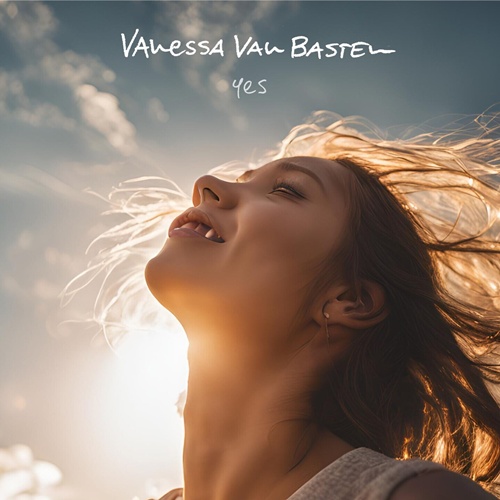
Mi son sempre piaciuti i VVB, però questo disco mi sembra un po’ sottotono rispetto al passato, non che sia brutto ma comunque non all’altezza della stanza di swedenborg come vorrebbe il tutolo. E la copertina non si può vedere (AI anche scarsa).
"Mi piace""Mi piace"