
ENGLISH VERSION BELOW: PLEASE, SCROLL DOWN!
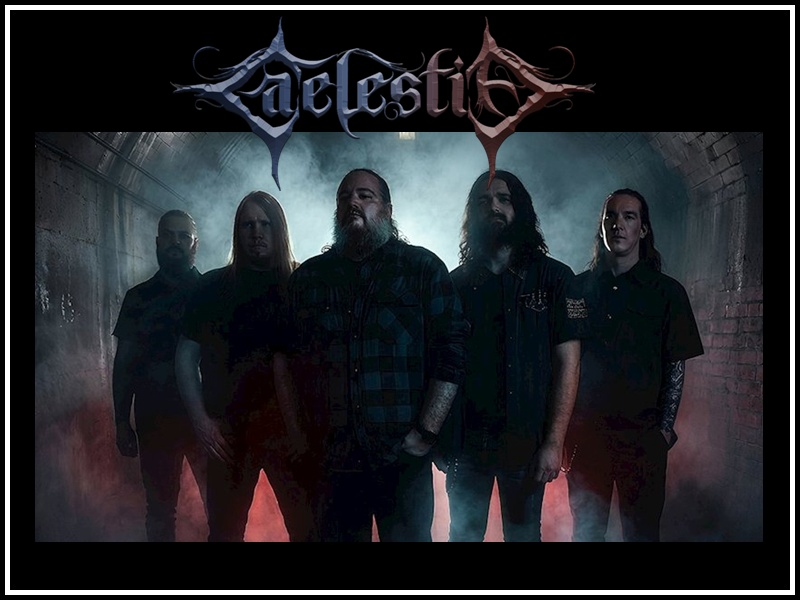
Con “Revelations In Black”, i Caelestia abbandonano i sentieri più familiari del metal sinfonico per tuffarsi a capofitto in un territorio più oscuro ed estremo, dove la melodia di Gothenburg incontra la violenza meccanica del death metal americano. Abbiamo parlato con Bill dell’evoluzione creativa alla base dell’album, dell’influenza della letteratura gotica e della storia, dell’arrivo di Marc Reign, del lavoro in produzione di Zack Ohren e della nuova direzione che sta portando la band greca oltre i confini di un singolo genere. “Revelations In Black” è pubblicato da Eclipse Records.
Prima di tutto, grazie per aver trovato il tempo di parlare con Il Raglio Del Mulo e benvenuto sulle nostre pagine. “Revelations In Black” rappresenta un nuovo capitolo decisamente importante per i Caelestia, unisce l’eredità melodica di Gothenburg alla precisione meccanica del death metal americano, con influenze che arrivano dalla letteratura gotica, dall’oscurità psicologica e da vicende storiche: qual è stata la visione centrale che ha tenuto insieme tutti questi elementi apparentemente così diversi quando l’album ha iniziato a prendere forma?
Prima di tutto, c’era il bisogno di cambiare. Dopo la pausa dovuta al COVID-19, alcuni dei vecchi membri della band hanno deciso di lasciare il gruppo e dedicarsi ad altri progetti artistici. A quel punto, il “peso” della composizione è passato naturalmente sulle mie spalle; tuttavia, il mio stile compositivo aveva un approccio diverso, più incentrato sulle chitarre e meno orchestrale. Allo stesso tempo, i testi oscuri di Lordwinter (Pantelis Daskalelos) trovavano un modo migliore di adattarsi a questo stile death metal più estremo e guidato dai riff. Il secondo fattore era la voglia di andare avanti e di esprimere noi stessi. Ed è così che abbiamo creato prima “Infernalia” e poi “Revelations In Black”. In poche parole, direi che la visione centrale era il nostro impulso interiore a evolverci e a fare un ulteriore passo avanti rispetto al nostro precedente stile/direzione musicale come band.
Una volta stabilita questa nuova direzione sonora, quanto ha influenzato il songwriting vero e proprio? Il contrasto tra melodia e brutalità meccanica è emerso naturalmente durante il processo creativo, oppure era qualcosa che i Caelestia stavano perseguendo consapevolmente mentre scrivevano “Revelations In Black”?
Possiamo dire che la nuova direzione musicale è venuta fuori in modo naturale, come risultato diretto delle mie influenze personali come chitarrista / compositore. I riff di chitarra che ho scritto erano influenzati, da una parte, da classiche band death metal statunitensi come Morbid Angel, Death, Immolation ecc. e, dall’altra, ho composto intermezzi, progressioni di accordi e passaggi che risentivano dell’influenza di band europee di melodic death metal come Dark Tranquility, In Flames o Sentenced. È così che è nato il contrasto tra melodia e brutalità in “Revelations In Black”. Se aggiungi un pizzico di atmosfera black metal, ottieni l’idea finale. Tutte le idee musicali sono venute fuori seguendo un flusso naturale, per poi essere perfezionate in un secondo momento durante la fase di pre-produzione.
L’album attraversa atmosfere molto diverse, dalla breve e misteriosa “La Morte Amoureuse” a brani più lunghi e articolati come “The Slopes Of Tenmokuzan”: come avete affrontato il ritmo e la successione dei brani del disco, e cosa ha fatto sì che ogni canzone meritasse il proprio posto all’interno di questo viaggio complessivo?
L’idea era che l’album dovesse assomigliare a un’opera d’arte completa e che raccontasse una storia coerente. Quindi, la tracklist non è stata assolutamente composta a caso. Dal momento che l’idea centrale dell’album era l’oscurità in tutte le sue forme, i singoli brani sono stati disposti a coppie in base al loro tema specifico; “La Morte Amoureuse” e “Buried” affrontano l’oscurità nell’amore. “Jutland” e “Wolves” affrontano l’oscurità delle guerre globali, su proporzioni enormi. “The Slopes Of Tenmokuzan” e “Fall Of The Demon King” affrontano l’oscurità della storia giapponese e della guerra medievale combattuta con le spade. “Five Unicorns And A Pearl” e “Revelations In Black” affrontano l’oscurità nel fantasy e nell’horror. Infine, “Reflection Of The Beast” e “Dead Eternal” affrontano l’oscurità che si cela nell’animo umano. Quindi, abbiamo lo schema eterno di amore, guerra, fantasy e sentimenti interiori dell’essere umano, tutti collocati sotto un velo di oscurità. Questo è stato il criterio seguito per la tracklist dell’album.
Il mondo lirico di “Revelations In Black” trae ispirazione dalla letteratura gotica, compresa la narrativa sui vampiri di Carl Jacobi, oltre al materiale profondamente personale contenuto nelle “Letters from Dead” di Per Yngve “Pelle” Ohlin: cosa avete trovato in queste fonti che risuonasse con la visione dell’oscurità propria dei Caelestia, e come avete trasformato queste influenze in qualcosa che appartiene interamente alla band?
Il nostro paroliere / cantante Pantelis “Lordwinter” Daskalelos ha una gamma di interessi davvero molto ampia, che spazia dalla letteratura fantasy e horror alla storia, dalla cultura etnica e dalle lingue dimenticate fino alla psicologia moderna e al giornalismo; e siamo fortunati ad avere qualcuno che trae ispirazione per i testi da un ventaglio così ampio. Nel caso della narrativa sui vampiri di C.R. Jacobi e Th. Gautier, Pantelis ha trasformato le storie horror e le proprie esperienze personali nei testi di brani come “Buried”, “Revelations In Black” e “Reflection Of The Beast”. Nel caso di “Dead Eternal”, il testo di quella particolare canzone è stato scritto dopo che Pantelis si è imbattuto in una raccolta delle lettere di Dead intitolata “Letters From The Dead”, nella quale ha capito che, nonostante le difficoltà psicologiche che aveva affrontato e l’immagine che proiettava verso il mondo esterno, era un giovane sognatore. Pantelis lavora moltissimo sui suoi testi; se ci fate caso, noterete che mantiene rima e metrica in ogni frase di ogni strofa. Non è una cosa molto comune tra i parolieri del metal estremo (o dell’heavy metal in generale, direi).
Questo album rappresenta anche un importante nuovo capitolo nella formazione della band, con l’arrivo di Marc Reign, musicista la cui storia comprende Morgoth e Destruction. Cosa ha portato la sua esperienza e il suo approccio ai Caelestia in studio, e la sua presenza ha influenzato il modo in cui si è sviluppata la componente ritmica della musica della band?
Siamo ovviamente molto fortunati ad avere Marc nella nostra squadra. La sua lunga esperienza e il suo stile esecutivo unico hanno già lasciato il segno sul sound complessivo della band. L’approccio di Marc alla batteria non è a senso unico; nel suo modo di suonare racchiude molti stili diversi. Si possono sentire molti elementi progressive nel suo drumming. Utilizza tempi dispari, stacchi insoliti e fraseggi “orchestrali” nel suo modo di suonare. Questo aggiunge groove generale ai brani dell’album, cosa non molto comune per questo stile musicale.
Avete inoltre lavorato con Zack Ohren, i cui trascorsi come produttore includono Machine Head, Six Feet Under e Immolation. Quando si lavora con un materiale tecnicamente così impegnativo, quanto è stato importante preservare la dimensione umana e atmosferica delle performance, invece di permettere che la precisione tecnica diventasse il punto centrale?
Zack Ohren è senza dubbio un produttore che non si può ignorare, in ogni caso. Il suo lavoro con Machine Head, Immolation e Forbidden, tra gli altri, parla da solo. Siamo stati fortunati che abbia visto “qualcosa” nella nostra musica e abbia deciso di lavorare con noi, a partire da quando abbiamo pubblicato “Jutland” come singolo, nel maggio 2025. Zack ci ha dato indicazioni precise riguardo alla procedura di registrazione degli strumenti (batteria, chitarre ritmiche e basso), che abbiamo seguito alla lettera. In realtà, Zack era così soddisfatto del suono “naturale” di tutti gli strumenti di base sopra citati che si è complimentato con il nostro sound engineer greco, Mike Meleteas. Questo si è rivelato molto importante nel processo di mixaggio, perché il risultato finale suonava davvero “enorme” e “caldo” e aveva un’identità musicale eccezionale. Non appena abbiamo ascoltato il master finale, abbiamo capito che la produzione di Zack fa davvero una grande differenza e che sarebbe sicuramente stata un importante punto di forza dell’album. Zack ha scelto di fare un mastering “analogico” del nostro album, preservando la dimensione umana e atmosferica delle performance, invece di ottenere un suono più “secco” e ipercompresso, come avviene nella maggior parte delle produzioni moderne in ambito metal.
Tra i brani che emergono come particolarmente rappresentativi dell’album ci sono “Dead Eternal”, “Wolves” e “Revelations In Black”, ognuno dei quali mostra un lato diverso dei Caelestia: se queste tre tracce fossero i primi brani ascoltati da qualcuno che non conosce la band, cosa rivelerebbero dell’identità che avete costruito con questo album e cosa lascerebbero ancora inesplorato?
Aggiungerei anche “Buried” ai brani appena citati; queste canzoni mostrano la versatilità della nostra identità musicale come band. In effetti, la musica della nostra band ha sempre oltrepassato i confini dei generi, anche nelle nostre precedenti pubblicazioni. Sentiamo che la nostra gamma espressiva non può essere “rinchiusa” sotto un’unica etichetta stilistica. Le prime cose che un ascoltatore nota della nostra nuova direzione musicale sono: strutture dei brani guidate dai riff di chitarra, cambi di tempo, cambi di tonalità e intermezzi atmosferici. Tutti questi elementi racchiudono il carattere brutale e melodico delle nostre canzoni. Se combini brutalità e melodia con i complessi pattern ritmici creati da batteria e basso, ottieni la nostra identità musicale unica.
Atene ha un rapporto lungo e distintivo con il metal estremo, eppure il sound dei Caelestia va ben oltre una singola scena o un’identità geografica. Quanto influenza ancora oggi la band l’ambiente metal greco e il fatto di farne parte vi ha mai spinto a guardare deliberatamente oltre i suoi confini tradizionali?
Dopo il cambio della nostra direzione musicale, abbiamo notato un feedback positivo inaspettato da parte di una larga fetta della scena del nostro Paese; durante il nostro periodo sinfonico sentivamo di essere un po’ “confinati” a un pubblico più ristretto e a una scena metal più “radicata” (per esempio, venivamo classificati tra le band “female-fronted”, nonostante la nostra musica fosse già sufficientemente estrema). Ora, il nostro cambiamento ha aperto una porta verso un pubblico più ampio di ascoltatori di death, extreme e black metal in Grecia, cosa che in passato non avveniva. Questo è evidente anche nei commenti incoraggianti che riceviamo sotto i video o i brani che pubblichiamo. In qualche modo, possiamo percepire che il cambiamento sul quale abbiamo insistito ha portato a una maggiore accettazione da parte della scena / del pubblico metal del nostro Paese. Abbiamo notato reazioni simili anche dall’estero, quindi questo ci incoraggia ad ampliare i nostri orizzonti oltre i confini nazionali, cosa che perseguiremo in ogni caso.
Ora che “Revelations In Black” è uscito e l’album ha avuto il tempo di arrivare nelle mani degli ascoltatori, la prossima sfida è portare questo materiale sul palco: quali sono i piani per i prossimi concerti e come pensate di tradurre in sede live le atmosfere più oscure dell’album, la sua intensità tecnica e le sue dinamiche contrastanti? Ci sono già tour, festival o date specifiche che i fan dovrebbero aspettare con interesse?
In realtà, alla fine di aprile 2026 abbiamo suonato un concerto da headliner nella nostra città, Atene, che abbiamo organizzato e prenotato autonomamente. In quell’occasione abbiamo suonato alcuni brani del nostro nuovo album. Per quanto riguarda i concerti internazionali (all’estero), ci affidiamo a un’agenzia di booking. Di fatto, in questo momento siamo in contatto con diverse agenzie di booking in Europa, per trovare qualcuno che ci rappresenti. Stiamo già programmando di fare altri concerti a partire dall’inizio del 2027, durante i quali eseguiremo dal vivo un numero maggiore di brani dell’album.
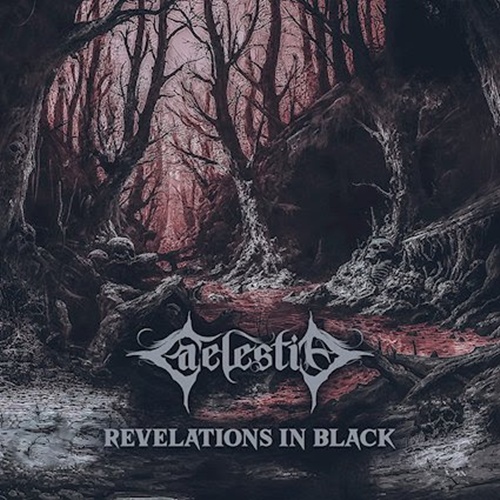
With “Revelations In Black”, Caelestia leave the familiar paths of symphonic metal behind and plunge headfirst into a darker, more extreme territory, where Gothenburg melody meets the mechanical violence of American death metal. We spoke with Bill about the creative evolution behind the album, the influence of gothic literature and history, the arrival of Marc Reign, the production work of Zack Ohren, and the new direction that is pushing the Greek band beyond the boundaries of a single genre. “Revelations In Black” is released by Eclipse Records.
First of all, thank you for taking the time to speak with Il Raglio Del Mulo and welcome to our pages. “Revelations In Black” marks a striking new chapter for Caelestia, blending the melodic legacy of Gothenburg with the mechanical precision of American death metal, while drawing on gothic literature, psychological darkness and historical narratives: what was the central vision that held all these apparently different elements together when the album began to take shape?
First of all, it was the need to change. After the COVID-19 hiatus, a number of past band members decided to leave the band and pursue other artistic endeavours. After that, the songwriting “burden” shifted to me naturally; however, my composing style had a different approach, more guitar-driven and less orchestral. At the same time, the dark lyrics of Lordwinter (Pantelis Daskalelos) found a better way to fit in this more extreme, riff-driven death metal style. The second factor was the urge to push forward and express ourselves. And this is how we created “Infernalia” first, and then “Revelations In Black”. To put it in a nutshell, I’d say that the central vision was our inner urge to evolve and take a step further from our past musical style/direction as a band.
Once this new sonic direction was established, how did it influence the songwriting itself? Did the contrast between melody and mechanical brutality emerge naturally during the creative process, or was it something Caelestia consciously pursued while writing “Revelations In Black”?
We can say that the new musical direction came out naturally, as a direct result of my personal influences as a guitar player / songwriter. The guitar riffs that I wrote were (on the one side) influenced by classic death US metal bands like Morbid Angel, Death, Immolation etc., and on the other side, I composed interludes, chord progressions and passages that bore influences by European melodic death metal acts like Dark Tranquility, In Flames or Sentenced. This is how the contrast between melody and brutality emerged in “Revelations In Black”. If you add a little bit of black metal atmosphere, you get the final idea. All the musical ideas came out with a natural flow, and then were refined later in the pre-production stage.
The album moves through very different atmospheres, from the short and mysterious “La Morte Amoureuse” to longer and more expansive pieces such as “The Slopes Of Tenmokuzan”: how did you approach the pacing of the record, and what made each song deserve its specific place within the overall journey?
The whole idea was that the album should resemble a complete work of art, and that it should tell a cohesive story. So, the tracklisting was not done by chance at all. Since the central idea of the album was darkness in all its forms, the separate tracks were placed in pairs according to their individual theme; “La Morte Amoureuse” and “Buried” deal with the darkness in love. “Jutland” and “Wolves” deal with darkness in global wars, in massive proportions. “The Slopes Of Tenmokuzan” and “Fall Of The Demon King” deal with darkness in Japanese history and medieval, swordfighting warfare. “Five Unicorns And A Pearl” and “Revelations In Black” deal with darkness in fantasy and horror. Lastly, “Reflection Of The Beast” and “Dead Eternal” deal with darkness within the human soul. So, you get the age-old pattern of love, war, fantasy and human inner feelings placed under a veil of darkness. This was the criterion for the tracklisting of the album.
The lyrical world of “Revelations In Black” draws inspiration from gothic literature, including the vampire fiction of Carl Jacobi, as well as the deeply personal material contained in Per Yngve “Pelle” Ohlin’s “Letters From Dead”: what did you find in these sources that resonated with Caelestia’s own vision of darkness, and how did you transform those influences into something that belongs entirely to the band?
Our lyricist / vocalist Pantelis “Lordwinter” Daskalelos has a very broad array of interests, ranging from fantasy & horror literature, history, ethnic culture & forgotten languages to modern psychology and journalism; and we are fortunate enough that he gets his inspiration to write lyrics from that wide palette. In the case of vampire fiction of C.R. Jacobi and Th. Gautier, Pantelis transformed horror stories and his personal experiences into lyrics for songs like “Buried”, “Revelations In Black” and “Reflection Of The Beast”. In the case of “Dead Eternal”, the lyrics to that particular song were written, after Pantelis laid eyes on a collection of Dead’s letters titled “Letters From The Dead”, in which he realized that despite the psychological struggles he faced and the image he projected to the outside world, he was a young dreamer. Pantelis works his lyrics very hard; if you notice, you will see that he keeps rhyme and meter in each sentence of every verse. This is not very usual for lyricists in the extreme metal genre (or heavy metal in general, I’d say).
This album also represents an important new chapter in the band’s lineup with the arrival of Marc Reign, a musician whose history includes Morgoth and Destruction. What did his experience and approach bring to Caelestia in the studio, and did his presence influence the way the rhythmic side of the band’s music developed?
We are very fortunate to have Marc in our team, of course. His long experience and unique playing style has already made a mark in the band’s overall sound. Marc’s approach in drumming is not one-sided; he encompasses a lot of styles in his playing. You can hear a lot of progressive elements in his playing. He utilises odd-time signatures, unusual breaks and “orchestral” phrasing in his playing. This adds to the general groove of the album tracks, which is not very common for this style of music.
You also worked with Zack Ohren, whose production credits include Machine Head, Six Feet Under and Immolation. When dealing with such technically demanding material, how important was it to preserve the human and atmospheric dimension of the performances instead of allowing technical precision to become the main focus?
Zack Ohren is indeed a producer you can’t ignore, in any case. His work with Machine Head, Immolation & Forbidden, among others speaks for itself. We were lucky that he saw “something” in our music and decided to work with us, from the time that we released “Jutland” as a single, in May 2025. Zack gave specific instructions regarding the tracking procedure of the instruments (drums, rhythm guitars & bass), which we followed to the letter. Actually, Zack was so pleased with the “natural” tone of all aforementioned basic instruments, that he gave his compliments to our Greek sound engineer, Mike Meleteas. This proved to be very important in the mixing process, because the final result sounded really “huge” and “warm” and had an outstanding musical identity. As soon as we heard the final master, we understood that Zack’s production makes a huge difference, and that it will surely be a strong selling point of the album. Zack chose to do an “analog” mastering on our album, which preserved the human and atmospheric dimension of the performances, instead of a more “dry” and over-compressed tone, which is the case in most sound productions in modern metal.
Among the songs that stand out as particularly representative of the album are “Dead Eternal”, “Wolves” and “Revelations In Black”, each revealing a different side of Caelestia: if these three tracks were the first pieces someone heard from the band, what would they reveal about the identity you have built with this album, and what would they still leave unexplored?
I would also add “Buried” to the above tracks; these songs portray the versatility in our musical identity as a band. As a matter of fact, our band’s music has always been transcending the genre boundaries, even in our previous releases. We feel that our expression range cannot be “canned” under one single label of musical style. The imminent things that a listener notices about our new musical direction, are: guitar riff-driven song structures, changes in tempos, changes in tonalities and atmospheric interludes. All these elements encompass the brutal and melodic character of our songs. If you combine brutality and melody with the complex rhythm patterns laid down by drums & bass, you get our unique musical identity.
Athens has a long and distinctive relationship with extreme metal, yet Caelestia’s sound reaches far beyond a single scene or geographical identity. How much does the Greek metal environment still influence the band today, and has being part of that scene ever pushed you to deliberately look beyond its traditional boundaries?
After the change of our musical direction, we have noticed that there was an unexpected positive feedback from a large part of our home country’s scene; during our symphonic days, we felt that we were a bit “confined” to a smaller target audience and a more “entrenched” metal scene (e.g. we were categorized under “female fronted” bands, although our music was already extreme enough). Now, our shift has opened a door to a broader audience of listeners of death, extreme and black metal in Greece, something which was not the case in the past. This is also evident in the encouraging comments we get under our videos or songs that we post. Somehow, we can sense that the change we persisted in, brought greater acceptance by our home country’s metal scene / public. We have noticed similar reactions coming from abroad, so this encourages us to expand our ways outside our country’s boundaries, which we’ll pursue in any case.
Now that “Revelations In Black” is out and the album has had time to find its way into the hands of listeners, the next challenge is to bring this material to the stage: what are the plans for the upcoming live shows, and how are you planning to translate the album’s darker atmospheres, technical intensity and contrasting dynamics into a live setting? Are there already any tours, festivals or specific dates that fans should be looking forward to?
Actually, we played a headline show in our hometown of Athens at the end of April 2026, which we booked and organized ourselves. We played some songs of our new album on that show. For international (abroad) shows, we rely on a booking agency. As a matter of fact, we are now communicating with a number of booking agencies in Europe, in order to find someone to represent us. We are already planning on doing additional shows as of beginning of 2027, where we will perform more songs from the album live.

