
ENGLISH VERSION BELOW: PLEASE, SCROLL DOWN!
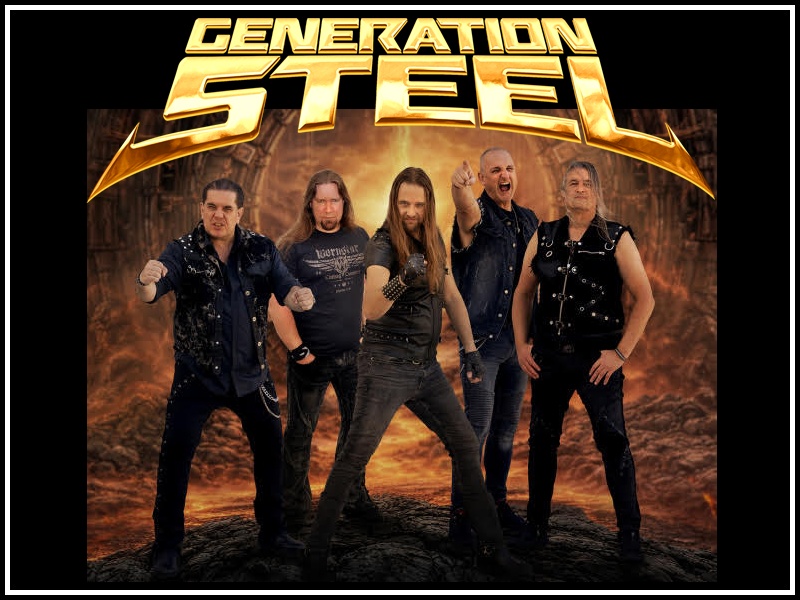
Con i Generation Steel, Mike Stark e Thilo Herrmann portano nuova linfa a una formazione che affonda le proprie radici nell’Heavy Metal tedesco tradizionale. “Steelmachine”, terzo full-length della band, uscirà per Fireflash Records e vede la produzione di Piet Sielck, chiamato a dare forma a un disco che guarda alla tradizione senza rinunciare a una propria identità. Abbiamo parlato con Jack the Riffer della realizzazione dell’album, della chimica tra i nuovi membri, del ruolo di Piet Sielck, dei temi affrontati nei testi e di ciò che accadrà quando queste canzoni saliranno finalmente sul palco.
Benvenuto, con “Steelmachine”, i Generation Steel sembrano aver compiuto un importante passo avanti, rimanendo saldamente radicati nella tradizione dell’Heavy Metal tedesco. Guardando ai primi due album, quale pensate sia stato il cambiamento più significativo nella band e nel vostro approccio alla composizione?
Penso che la differenza più grande sia che siamo diventati molto più concentrati. Con “The Eagle Will Rise” e “Lionheart”, stavamo ancora cercando di definire cosa fossero realmente i Generation Steel e in quale direzione volessimo andare. Quegli album sono stati passi importanti per noi, ma con “Steelmachine” avevamo le idee molto più chiare sul tipo di band che volevamo essere. Non volevamo reinventare l’Heavy Metal. Amiamo questa musica esattamente per la sua tradizione, la sua energia e il suo atteggiamento. Allo stesso tempo, però, non volevamo realizzare un album che suonasse semplicemente come qualcosa del 1985. L’obiettivo era combinare quel DNA classico dell’Heavy Metal tedesco ed europeo con un sound più potente e contemporaneo e con una scrittura dei brani più solida. Siamo anche diventati molto più critici nei confronti di noi stessi. Avevamo materiale e idee provenienti dalla formazione precedente, ma eravamo pronti a buttare via delle cose, riorganizzare completamente i brani e ricominciare da capo se qualcosa non era abbastanza valido. Per me, “Steelmachine” è il primo album dei Generation Steel in cui musica, musicisti, produzione e identità complessiva riescono davvero a fondersi in un’unica cosa.
“Steelmachine” arriva con una formazione completamente rinnovata, riunendo musicisti con background ed esperienze molto diversi. In che modo questa nuova combinazione di personalità e influenze musicali ha condizionato il modo in cui l’album è stato scritto e sviluppato?
Ha cambiato praticamente tutto. Improvvisamente ci siamo ritrovati insieme a persone con storie musicali molto diverse, ma con la stessa concezione di base dell’Heavy Metal. Thilo ha un’enorme esperienza musicale e un fantastico senso per gli arrangiamenti. Mike porta le proprie idee melodiche e scrive le linee vocali e i testi. Io verso il cemento nelle fondamenta dei riff, Marc dà ai brani potenza e groove alla batteria e Fabian aggiunge una base di basso davvero potente. La cosa interessante è che nessuno ha bisogno di dimostrare qualcosa. Siamo tutti musicisti esperti e tutti comprendiamo che la canzone è più importante dell’ego individuale. Questo ha reso la composizione molto più aperta. Un’idea poteva partire da un riff, ma nessuno aveva paura di cambiarla completamente se questo serviva a rendere il brano più forte. Penso che questa libertà si senta in “Steelmachine”.
L’ingresso di Thilo Herrmann è particolarmente significativo, considerando la sua storia con Faithful Breath, Risk, Running Wild e Grave Digger. Cosa hanno portato la sua esperienza e il suo approccio ai Generation Steel e la sua presenza ha incoraggiato la band a esplorare idee che forse non sarebbero emerse con la formazione precedente?
Assolutamente. Thilo è stato un fattore chiave nel portare i Generation Steel al livello successivo. Naturalmente, tutti conoscono la sua storia con band come Faithful Breath, Risk, Running Wild e Grave Digger. Ma ciò che mi ha impressionato maggiormente non è stato il suo curriculum. È stato il suo modo di lavorare. Thilo ha un istinto musicale incredibile. Puoi dargli un riff o una bozza di un brano e lui individua immediatamente le possibilità: dove l’arrangiamento ha bisogno di maggiore tensione, dove qualcosa dovrebbe essere ridotto, dove potrebbe funzionare un’armonia di chitarra o dove una sezione completamente diversa potrebbe rendere il brano più forte. Ha avuto un ruolo importante nella pre-produzione e negli arrangiamenti e abbiamo registrato le chitarre nel suo studio. Ha anche un enorme archivio di idee musicali che risale a molti anni fa, quindi c’era molto materiale creativo su cui lavorare. La sua esperienza ha sicuramente aperto porte che probabilmente non si sarebbero aperte con la formazione precedente. Ma non è mai diventato “Thilo Herrmann più Generation Steel”. È diventato un nuovo Generation Steel.
Anche Mike Stark conferisce al nuovo materiale un’identità vocale differente, con un’estensione che gli permette di passare dalle note molto alte a un potente registro medio. In che modo la sua voce ha influenzato le melodie, gli arrangiamenti e il carattere complessivo di brani come “Wings Of Fire” e “I Am The Storm”?
Mike ha ampliato enormemente le possibilità della band perché la sua voce ci offre molto più spazio. Può affrontare quelle classiche linee vocali acute dell’Heavy Metal, ma possiede anche un registro medio molto potente. Questo significa che non dobbiamo costruire ogni brano attorno a un unico stile vocale. Possiamo rendere una canzone più oscura, pesante, melodica o aggressiva a seconda di ciò di cui ha bisogno. Mike sviluppa anche le proprie linee vocali e i propri testi, e questo è molto importante. Non gli consegniamo semplicemente canzoni finite dicendogli dove cantare. La sua voce diventa parte della composizione. Questo si sente particolarmente bene in brani come “Wings Of Fire”. C’è molta potenza nelle chitarre, ma la melodia vocale dà alla canzone un’altra dimensione. È questo che vogliamo dai Generation Steel: riff pesanti che ti colpiscono immediatamente, combinati con melodie che continui a ricordare anche il giorno dopo.
Anche il lavoro con Piet Sielck sembra essere stato un altro elemento importante nel plasmare “Steelmachine”, soprattutto per la sua capacità di rafforzare le dinamiche e la struttura drammatica dei brani. Durante la produzione c’è stato un momento in cui il suo contributo ha cambiato o migliorato significativamente una canzone rispetto alla versione originale?
Piet è stato estremamente importante perché ha la capacità di guardare una canzone dall’esterno e individuare immediatamente ciò di cui ha ancora bisogno. In origine avevamo chiesto a Uwe Lulis se fosse stato disponibile a produrre l’album. Purtroppo non aveva tempo, ma ci ha raccomandato il suo buon amico Piet Sielck. Guardando indietro, quella raccomandazione è stata un vero colpo di fortuna. Piet comprende perfettamente questo tipo di musica, ma non si limita a rendere tutto più forte e pesante. Ragiona sulle dinamiche, sulla tensione e sul dramma. A volte una modifica relativamente piccola può rendere un ritornello molto più grande o rendere molto più efficace il passaggio a un’altra sezione. È successo diverse volte durante la produzione. Siamo arrivati in studio con canzoni che consideravamo sostanzialmente finite e Piet ci suggeriva di cambiare un dettaglio, accorciare qualcosa o dare maggiore risalto a un’altra parte. Improvvisamente l’intera canzone funzionava meglio. E in “Rise Up”, Piet è diventato persino parte della performance, cantando il brano in duetto con Mike. Questo ha dato alla traccia un carattere davvero particolare.
L’album affronta argomenti seri, ma spesso attraverso eventi storici e metafore. “Steelmachine” riflette sui conflitti internazionali contemporanei, mentre “Witches Cross” utilizza la persecuzione delle streghe per esplorare esclusione, paura e fanatismo. Quanto è importante per i Generation Steel dare ai testi dell’Heavy Metal tradizionale un significato più profondo senza perdere la immediatezza del genere?
È molto importante. L’Heavy Metal ha sempre saputo combinare una musica potente con argomenti seri. Non vogliamo dire alle persone cosa dovrebbero pensare. Non è il nostro compito. Ma se guardi alla storia e poi osservi il mondo di oggi, a volte riconosci meccanismi che non sono cambiati poi molto: paura, manipolazione, fanatismo, esclusione e desiderio di potere. “Witches Cross” è un buon esempio. In superficie, parla di caccia alle streghe e persecuzione, elementi che si inseriscono perfettamente nell’immaginario dell’Heavy Metal tradizionale. Ma sotto quella storia ambientata nel passato c’è una domanda molto più universale: cosa succede quando una società decide che determinate persone sono diverse, pericolose o responsabili dei suoi problemi? Per noi, la cosa importante è che il messaggio non uccida la canzone. Questo è ancora Heavy Metal. Prima di tutto, la musica deve afferrarti. Ma se poi qualcuno ascolta con maggiore attenzione i testi e comincia a rifletterci, è ancora meglio.
C’è anche una notevole varietà nella tracklist, dalla title track “Witches Cross” a brani come “The Priest”, “Fields Of Pain” e “Island Of Tragedy”. Quando scrivete nuovo materiale, generalmente è la musica a venire per prima e a suggerire il soggetto del testo, oppure alcune canzoni nascono da una storia o da un’idea che poi trasformate in musica?
Nella maggior parte dei casi, viene prima la musica. Sono un tipo da riff. Molto spesso i Generation Steel partono da un riff di chitarra che mi fa immediatamente pensare: questo siamo noi. Poi la canzone si sviluppa da lì. Thilo può prendere quell’idea e sviluppare l’arrangiamento, mentre in seguito Mike trova una linea vocale e un concetto lirico che si adattano all’atmosfera. Ma non esiste una formula fissa. A volte hai un’immagine, un titolo o un argomento talmente forte da creare immediatamente nella tua testa un’atmosfera musicale. È anche per questo che l’album presenta una certa varietà. “Steelmachine”, “The Priest”, “Fields Of Pain”, “Witches Cross” o “Island Of Tragedy” non devono suonare identici per appartenere alla stessa band. Per me, il denominatore comune è l’attitudine e il sound, piuttosto che una rigida formula compositiva. Devi riconoscere i Generation Steel, ma non dovresti sapere esattamente come suonerà la canzone successiva.
Dopo l’uscita di “Steelmachine”, sarete in tour con Mystic Prophecy e Iron Savior per l’Heavy Metal Mania Tour. Con la nuova formazione finalmente insieme davanti al pubblico, cosa non vedete l’ora di scoprire quando queste nuove canzoni lasceranno lo studio e diventeranno parte di una scaletta dal vivo?
È probabilmente la cosa che attendo maggiormente. Puoi passare mesi a lavorare sulle canzoni nelle sale prove e negli studi, ma la vera prova arriva quando le metti davanti a un pubblico. Con questa formazione c’è molta esperienza sul palco, ma i Generation Steel come questa particolare combinazione di cinque musicisti sono qualcosa di nuovo. Vogliamo scoprire cosa succede quando questa energia si unisce dal vivo. L’Heavy Metal Mania Tour con Mystic Prophecy e Iron Savior, a novembre e dicembre, è l’occasione perfetta per farlo, perché suoneremo davanti esattamente al tipo di pubblico che comprende questa musica. Sono particolarmente curioso di scoprire quali canzoni entreranno immediatamente in sintonia con la gente. A volte in studio hai la tua preferita e poi un’altra canzone improvvisamente esplode dal vivo. È quello il momento in cui una canzone smette di appartenere soltanto alla band. Il pubblico se ne appropria. È questo che stiamo aspettando.
“Steelmachine” sembra rappresentare un capitolo importante nello sviluppo dei Generation Steel. Una volta che avrete fatto il tour con questa formazione e avrete avuto il tempo di crescere insieme sul palco, cosa vorreste che il prossimo capitolo della band esplorasse o raggiungesse?
La cosa più importante è che “Steelmachine” non deve essere il punto d’arrivo. Deve essere il punto di partenza per questa versione dei Generation Steel. Ora abbiamo una formazione in cui tutti mettono la band al primo posto, e questo per noi è incredibilmente importante. In queste cinque persone ci sono molta creatività ed esperienza e non credo che abbiamo ancora scoperto tutto ciò che possiamo fare insieme. Il prossimo passo è affermare questa formazione come una vera band dal vivo, suonare il maggior numero possibile di bei concerti e festival e portare “Steelmachine” a un pubblico più ampio. Musicalmente, non voglio porre troppi limiti a ciò che verrà. Saremo sempre una band Heavy Metal. Questa è la nostra base. Ma all’interno di questo perimetro c’è molto spazio per diventare più pesanti, più melodici, più oscuri o persino più epici quando una canzone lo richiede. Quello che sicuramente non voglio è che ripetiamo “Steelmachine” solo perché funziona. Il prossimo album deve farci andare nuovamente avanti. I Generation Steel sono cambiati molto per arrivare a questo punto. Ora è il momento di dimostrare cosa questa band può davvero diventare. Stay Metal! Stay Steel!
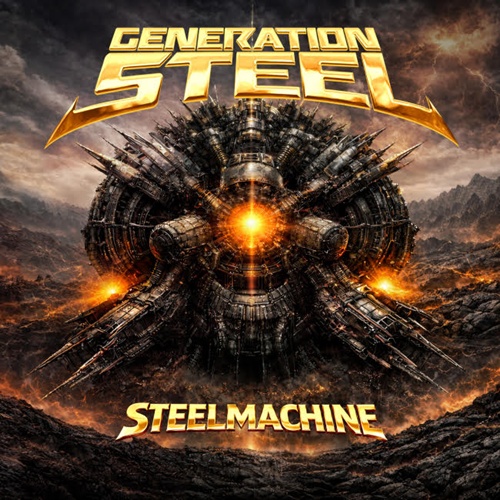
With Generation Steel, Mike Stark and Thilo Herrmann bringing experience, melody and old-school German Metal attitude into the new line-up, “Steelmachine” marks a decisive chapter for the band. Released by Fireflash Records, the album looks firmly toward the roots of Heavy Metal while refusing to live in the past. We spoke with Jack the Riffer about the making of the record, the chemistry between the new members, the role of Piet Sielck, the ideas behind the lyrics and what comes next when these songs hit the stage.
With “Steelmachine”, Generation Steel seem to have taken a major step forward while staying firmly rooted in the tradition of German Heavy Metal. Looking back at the first two albums, what do you feel has changed most significantly in the band and in your approach to songwriting?
I think the biggest difference is that we have become much more focused. With “The Eagle Will Rise” and “Lionheart”, we were still defining what Generation Steel really was and where we wanted to go. Those albums were important steps for us, but with “Steelmachine” we knew much more clearly what kind of band we wanted to be. We did not want to reinvent Heavy Metal. We love this music exactly because of its tradition, its energy and its attitude. But at the same time, we did not want to make an album that simply sounds like something from 1985. The goal was to combine that classic German and European Metal DNA with a more powerful, contemporary sound and stronger songwriting. We also became much more critical of ourselves. We had material and ideas from the previous line-up, but we were prepared to throw things away, rearrange songs completely and start again if something wasn’t good enough. For me, “Steelmachine” is the first Generation Steel album where the music, musicians, production and overall identity really come together as one.
“Steelmachine” arrives with a completely revamped line-up, bringing together musicians with very different backgrounds and experiences. How did this new combination of personalities and musical influences affect the way the album was written and developed?
It changed almost everything. We suddenly had people coming together who have very different musical histories but share the same basic understanding of Heavy Metal. Thilo has an enormous musical background and a fantastic sense for arrangements. Mike brings his own melodic ideas and writes the vocal lines and lyrics. I’m pouring the concrete into the riffs, Marc gives the songs punch and groove on drums and Fabian adds a really powerful bass foundation. The interesting thing is that nobody needs to prove anything. We are all experienced musicians, and everyone understands that the song is more important than the individual ego. That made the songwriting much more open. An idea could start with a riff, but nobody was afraid to change it completely if that made the song stronger. I think you can hear that freedom on “Steelmachine”.
The addition of Thilo Herrmann is particularly striking given his history with Faithful Breath, Risk, Running Wild and Grave Digger. What did his experience and approach bring to Generation Steel, and did his presence encourage the band to explore ideas that might not have emerged with the previous line-up?
Absolutely. Thilo was a key factor in taking Generation Steel to the next level. Of course, everybody knows his history with bands like Faithful Breath, Risk, Running Wild and Grave Digger. But what impressed me most was not his CV. It was the way he works. Thilo has an incredible musical instinct. You can give him a riff or a rough song idea and he immediately sees possibilities: where the arrangement needs more tension, where something should be reduced, where a guitar harmony could work or where a completely different section might make the song stronger. He took a major role in the pre-production and arrangements, and we recorded the guitars in his studio. He also has a huge archive of musical ideas going back many years, so there was a lot of creative material to work with. His experience definitely opened doors that probably would not have opened in the previous line-up. But it never became “Thilo Herrmann plus Generation Steel”. It became a new Generation Steel.
Mike Stark also gives the new material a different vocal identity, with a range that allows him to move from very high notes to a powerful mid-range. How did his voice influence the melodies, arrangements and overall character of songs such as “Wings Of Fire” and “I Am The Storm”?
Mike changed the possibilities of the band enormously because his voice gives us much more room. He can deliver those classic high Metal vocals, but he also has a very powerful mid-range. That means we don’t have to build every song around one particular vocal style. We can make a song darker, heavier, more melodic or more aggressive depending on what it needs. Mike also develops his own vocal lines and lyrics, which is very important. We don’t simply hand him finished songs and tell him where to sing. His voice becomes part of the songwriting. You can hear that particularly well on songs like “Wings Of Fire”. There is a lot of power in the guitars, but the vocal melody gives the song another dimension. That’s something we want from Generation Steel: heavy riffs that hit you immediately, combined with melodies you still remember the next day.
Working with Piet Sielck seems to have been another important element in shaping “Steelmachine”, particularly because of his ability to strengthen the dynamics and dramatic structure of the songs. Was there a moment during production when his input significantly changed or improved a song compared with the original version?
Piet was extremely important because he has this ability to look at a song from the outside and immediately identify what it still needs. Originally, we had asked Uwe Lulis if he could produce the album. Unfortunately, he didn’t have the time, but he recommended his good friend Piet Sielck to us. Looking back, that recommendation was a real stroke of luck. Piet understands this kind of music completely, but he doesn’t simply make everything louder and heavier. He thinks about dynamics, tension and drama. Sometimes a relatively small change can make a chorus much bigger or make the transition into another section much more effective. That happened several times during the production. We came into the studio with songs that we considered basically finished, and Piet would suggest changing a detail, shortening something or emphasizing another part. Suddenly the whole song worked better. And on “Rise Up”, Piet even became part of the performance himself, singing the song as a duet with Mike. That gave the track a very special character.
The album deals with serious subjects, but often through historical events and metaphors. “Steelmachine” reflects on current international conflicts, while “Witches Cross” uses the burning of witches to explore exclusion, fear and fanaticism. How important is it for Generation Steel to give traditional Heavy Metal lyrics a deeper meaning without losing the directness of the genre?
Very important. Heavy Metal has always been able to combine powerful music with serious subjects. We don’t want to tell people what they should think. That’s not our job. But if you look at history and then look at the world today, you sometimes recognize mechanisms that haven’t changed very much: fear, manipulation, fanaticism, exclusion and the desire for power. “Witches Cross” is a good example. On the surface, it deals with witch hunts and persecution, which fits perfectly into traditional Heavy Metal imagery. But underneath that historical story there is a much more universal question: what happens when a society decides that certain people are different, dangerous or responsible for its problems? For us, the important thing is that the message never kills the song. This is still Heavy Metal. First of all, the music has to grab you. But if somebody listens more closely to the lyrics afterwards and starts thinking about them, that’s even better.
There is also considerable variety within the tracklist, from the title track and “Witches Cross” to songs such as “The Priest”, “Fields Of Pain” and “Island Of Tragedy”. When you write new material, does the music usually come first and suggest the lyrical subject, or do some songs begin with a story or idea that you then build into music?
Most of the time, the music comes first. I’m a riff guy. Very often Generation Steel starts with a guitar riff where I immediately feel: that’s us. Then the song develops from there. Thilo might take that idea and develop the arrangement, and later Mike finds a vocal line and lyrical concept that fits the atmosphere. But there is no fixed formula. Sometimes you have an image, a title or a subject that is so strong that it immediately creates a musical atmosphere in your head. That’s also why the album has quite a lot of variety. “Steelmachine”, “The Priest”, “Fields Of Pain”, “Witches Cross” or “Island Of Tragedy” don’t need to sound identical to belong to the same band. For me, the common denominator is attitude and sound rather than a strict songwriting formula. You should recognize Generation Steel, but you shouldn’t know exactly what the next song will sound like.
After the release of “Steelmachine”, you will hit the road with Mystic Prophecy and Iron Savior on the Heavy Metal Mania Tour. With the new line-up finally facing audiences together, what are you most looking forward to discovering when these new songs leave the studio and become part of a live set?
That’s probably the thing I’m looking forward to most. You can spend months working on songs in rehearsal rooms and studios, but the real test happens when you put them in front of an audience. With this line-up, there is a lot of experience on stage, but Generation Steel as this particular combination of five musicians is something new. We want to find out what happens when that energy comes together live. The Heavy Metal Mania Tour with Mystic Prophecy and Iron Savior in November and December is a perfect opportunity for that because we’ll be playing in front of exactly the kind of audience that understands this music. I’m especially curious about which songs immediately connect with people. Sometimes you have your own favourite in the studio and then another song suddenly explodes live. That’s the moment when a song stops belonging only to the band. The audience takes it over. That’s what we’re waiting for.
“Steelmachine” feels like an important chapter in the development of Generation Steel. Once you have toured with this line-up and had time to grow together on stage, what would you like the next chapter of the band to explore or achieve?
The most important thing is that “Steelmachine” should not be the destination. It should be the starting point for this version of Generation Steel. We now have a line-up where everybody prioritizes the band, and that’s incredibly important to us. There is a lot of creativity and experience in these five people, and I don’t think we’ve even discovered everything we can do together yet. The next step is to establish this line-up as a real live band, play as many good shows and festivals as possible and bring “Steelmachine” to a wider audience. Musically, I don’t want to put too many limits on what comes next. We will always be a Heavy Metal band. That’s our foundation. But within that framework there is a lot of room to become heavier, more melodic, darker or even more epic when a song demands it. What I definitely don’t want is for us to repeat “Steelmachine” just because it works. The next album has to move us forward again. Generation Steel has changed a lot to get to this point. Now it’s time to show what this band can really become. Stay Metal! Stay Steel!

