
ENGLISH VERSION BELOW: PLEASE, SCROLL DOWN!
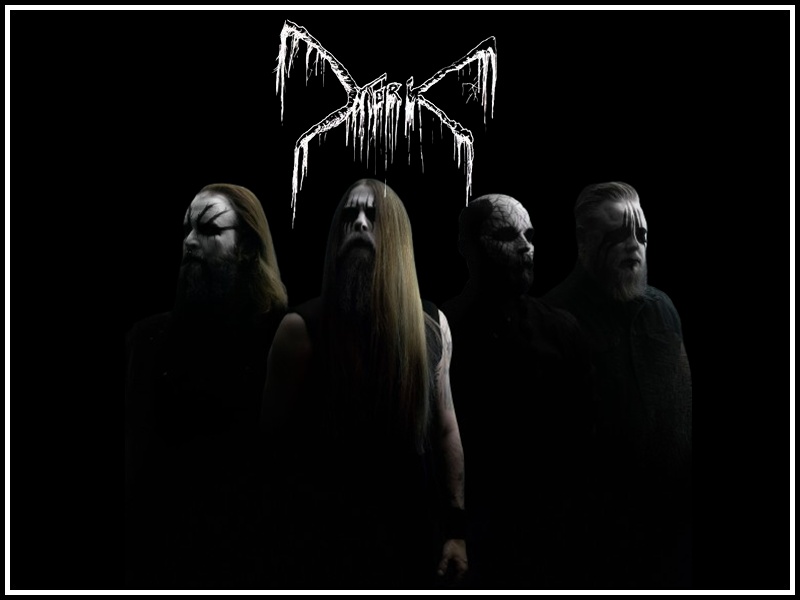
Ci sono dischi che non cercano di aprire una porta, ma di sigillarla dall’interno. “Monolitt”, la nuova opera dei Mork, si colloca esattamente in quello spazio denso, introverso e scolpito dalla stessa solitudine interiore che ha sempre definito la visione di Thomas Eriksen. Pubblicato da Peaceville Records, l’album spinge ancora più a fondo quella lenta dissoluzione di luce e struttura, dove il black metal diventa meno estetica e più stato mentale. In questa intervista, Eriksen racconta la genesi di “Monolitt”, il suo nucleo emotivo e quella inevitabilità silenziosa che continua a guidare il percorso dei Mork.
Ciao Thomas, e bentornato su Il Raglio Del Mulo! Il tuo nuovo album “Monolitt” uscirà il 19 giugno per Peaceville, mentre il primo singolo “Ødelagt” è già disponibile. Quali emozioni o atmosfere volevi trasmettere con questo nuovo lavoro e in che modo rappresenta un’evoluzione rispetto a “Syv” del 2024?
Grazie, è un piacere tornare! Questo album è un’immersione ancora più profonda in isolamento, alienazione, stanchezza e disperazione. Per me rappresenta un netto passo avanti rispetto ai lavori precedenti, sotto molti punti di vista.
“Monolitt” unisce una violenza black metal schiacciante a passaggi più ampi e atmosferici. Puoi raccontarci il tuo processo di scrittura e come riesci a bilanciare brutalità, profondità e sfumature nelle composizioni?
Quando scrivo musica, sembra che sia guidato da una forza interiore che la plasma così com’è. Negli ultimi anni mi è capitato più volte di entrare in fase di scrittura e registrazione con l’intenzione di creare un brano black metal puro e, diciamo, “stereotipato”. Tuttavia, dopo poche sezioni di quel tipo di riff e pattern, qualcosa dentro di me si stanca e sento che sto riducendo il potenziale del materiale. Così finisco sempre sullo stesso percorso fatto di variazioni ed esplorazioni di stati d’animo, come negli altri brani dei Mork. È così che deve essere. Non sono qui per fare qualcosa di atteso dal genere, preferisco esplorare la mia strada.
Da appassionato di black metal da lungo tempo, devo chiederti: guardando al debutto dei Mork “Isebakke” e ai primi EP, quali riff, atmosfere o momenti ti sono rimasti più impressi e in che modo continuano a influenzare la tua musica oggi?
Riguardando al passato, apprezzo la semplicità dei miei lavori iniziali. Ci sono molte buone canzoni e atmosfere nei dischi. Il vantaggio della longevità e di un catalogo sempre più ampio è la possibilità di variare la scaletta live tra vecchio e nuovo. È difficile scegliere dei preferiti, ma per citarne alcuni: “Isebakke”, “Dype Røtter”, “I Sluket Av Myra”, “Et Rike I Nord”, “Den Vandrende Skygge”, “Det Svarte Juv”, “På Tvers Av Tidene” e altri ancora. Ci sono molte tracce e anche passaggi che oggi mi colpiscono ancora molto. Il mio desiderio è che gli ascoltatori si immergano davvero in ogni album e lo vivano a fondo, invece di fermarsi solo ai brani più popolari su Spotify o simili.
L’album include le partecipazioni di Øyvind Kaslegard dei Svart Lotus e di Asgeir Mickelson alla batteria. Come sono nate queste collaborazioni e che contributo hanno portato al sound finale di “Monolitt”?
Øyvind è il bassista live dei Mork, quindi è stato naturale coinvolgerlo. Si è rivelato anche un ottimo cantante, cosa che ha contribuito a elevare molto anche i concerti dal vivo. Asgeir faceva parte della formazione live in prova per un anno. È stato un onore averlo sull’album, perché ha portato il suo stile personale nella mia musica. Sono molto orgoglioso del risultato finale. Ha una carriera impressionante e alcune idee davvero interessanti.
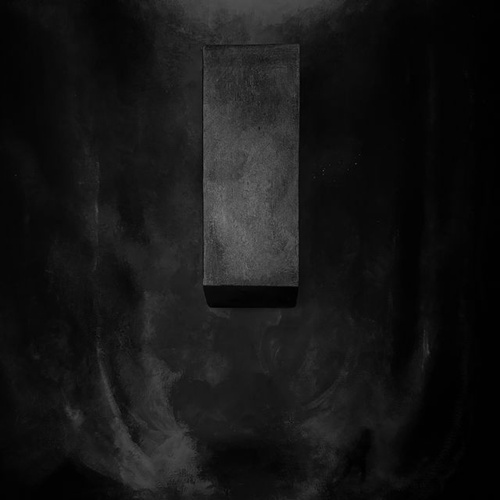
L’artwork di “Monolitt” è monumentale e visivamente potente. Quanto sei stato coinvolto nella sua realizzazione e quale messaggio volevi trasmettere con la copertina?
Sono sempre molto coinvolto e piuttosto rigido quando si tratta delle copertine. Probabilmente sono stato una bella gatta da pelare per Kjell Åge Meland, che ha realizzato un dipinto straordinario. Abbiamo passato in rassegna diversi sketch e idee che ho dovuto bocciare, perché avevo una visione molto chiara. Il risultato finale è persino migliore di quanto mi aspettassi. Chapeau a Kjell Åge Meland. Voglio anche citare David Thierree, che ancora una volta ha realizzato il logo della band, visibile come simbolo di eternità nella copertina e anche sulla maglietta ufficiale. Peaceville e io abbiamo deciso di lasciare fuori loghi e titoli dal front cover questa volta. La copertina rappresenta la sensazione opprimente della realtà, come un monolite enorme che incombe su tutti noi.
Nella nostra precedente intervista del 2021, in occasione di “Katedralen”, la situazione Covid influenzava ancora la vita quotidiana e soprattutto i concerti. Ora che sono passati diversi anni, pensi che quell’esperienza ti abbia cambiato come persona e come artista?
È strano dirlo, ma quasi non me lo ricordo. È come se fosse una parte della vita semplicemente scomparsa. Ricordo gli show in streaming e anche quelli seduti o con il pubblico distanziato, ma non molto della situazione pandemica in sé. Sono comunque felice che tutto sia tornato alla normalità, perché i Mork come band hanno viaggiato ed esplorato più parti del mondo che mai prima d’ora.
Guardando all’evoluzione dei Mork, dagli inizi fino a “Katedralen” e ora “Monolitt”, quali momenti o decisioni consideri fondamentali per definire identità e sound della band?
Questa è facile: la decisione di buttare via tutte le regole ed eccezioni e seguire semplicemente ciò che accade naturalmente nel momento della creazione. Un’evoluzione sincera e istintiva.
Il black metal norvegese ha una tradizione lunga e importante. Come riesci a bilanciare l’eredità del genere con la volontà di spingerti verso territori più personali?
Non ci penso più. Non lo faccio da diversi album ormai. È importante mantenere il proprio percorso personale in tutto questo. Ovviamente ci sono elementi che rimandano al genere qua e là, ma per me sono diventati quasi subliminali. Nulla è deliberato.
Infine, cosa devono aspettarsi i fan dai Mork nel prossimo futuro tra live, nuova musica e possibili nuove direzioni artistiche oltre “Monolitt”?
Faremo un release show a Oslo, al John Dee, il 3 luglio, poi un mini tour in Spagna e un tour europeo completo a ottobre. Stiamo lavorando anche a nuove attività per l’anno prossimo. Pubblicheremo ancora alcuni singoli prima dell’uscita di “Monolitt”. Dal punto di vista creativo il lavoro continua anche sullo sfondo, tra nuove idee e nuova musica. La musica è terapia per me, quindi il viaggio prosegue.
There are records that don’t try to open a door, but instead seal it from the inside. “Monolitt”, the new work from Mork, sits exactly in that space—dense, withdrawn, and carved out of the same inner isolation that has always defined Thomas Eriksen’s vision. Released via Peaceville Records, the album pushes further into that slow dissolution of light and structure, where black metal becomes less an aesthetic and more a state of mind. In this interview, Eriksen reflects on the making of “Monolitt”, its emotional core, and the quiet inevitability that shapes Mork’s path forward.
Hello Thomas, and welcome back to Il Raglio Del Mulo! Your new album “Monolitt” is out on June 19th via Peaceville, and the first single “Ødelagt” is already available. What emotions or atmosphere did you aim to convey with this latest work, and how does it build on Mork’s evolution since “Syv” in 2024?
Thanks, good to be back! This album is an even deeper dive into seclusion, alienation, fatigue and hopelessness. To me it is a big step up from the previous albums on many levels.
“Monolitt” combines crushing black metal intensity with expansive and atmospheric passages. Can you describe your songwriting process and how you manage to balance sheer brutality with depth and nuance in the compositions?
When I write my music, I am seemingly led by a force within me which makes the music the way it is. Over the last couple of years I have several times gone into writing and recording mode with the intent to make a pure brutal and, call it “stereotypical” black metal track. However, after a few passages of such riffs and beats, there is something in me that grows tired and feels I am dumbing down the potential. So I end up on the same track of variations and explanations of moods as in other Mork songs instead. That is how it must be. I am not here to make something that is expected by a genre; I would rather explore my own path.
As a longtime black metal enthusiast, I have to ask: looking back at Mork’s debut album “Isebakke” and the early EPs, which riffs, atmospheres, or moments have stayed with you the most, and how do they continue to inspire your music today?
I do look back and cherish the simplicity in my early works. There are many good songs and atmospheres on the albums. The gift of longevity and a building back catalogue is the opportunity to vary the live setlist with both new and old. It is hard to pick favourites, but to mention a few: “Isebakke”, “Dype Røtter”, “I Sluket Av Myra”, “Et Rike I Nord”, “Den Vandrende Skygge”, “Det Svarte Juv”, “På Tvers Av Tidene” and more. There are a lot of different tracks and even parts that stand out for me today. My wish is for listeners to really dive into each album and experience these for themselves, rather than only the top songs on Spotify or whatever.
The album features guest appearances from Øyvind Kaslegard of Svart Lotus and Asgeir Mickelson on drums. How did these collaborations come together, and what unique elements did they contribute to the final sound of “Monolitt”?
Øyvind is Mork’s live bassist, so it was natural to include him. It turns out he has a great voice, which has also helped to elevate the live shows a lot. Asgeir was also in the live band on a one-year trial basis. It was an honour including him on the album as he added his own style to my music. I am very proud of the finished product. He has an impressive backstory in the business and some pretty cool ideas.
The artwork for “Monolitt” is monumental and visually striking. How involved were you in shaping the cover concept, and what message or feeling did you want it to convey to listeners?
I am always very hands-on and strict regarding album art. I must have been a right pain in the ass for Kjell Åge Meland, who did the fantastic painting. We went through several sketches and ideas that I more or less had to shut down, as I had a pretty clear vision of what I wanted. The end result turned out to be even better than expected. Hats off to Kjell Åge Meland. I also want to make a shoutout to David Thierree, who once again did the album logo, which can be seen as an eternity symbol in the cover layout, as well as on the official T-shirt. Peaceville and myself decided that leaving logos and titles off the front cover was the best solution this time. The cover represents the overwhelming feeling of reality as a massive monolith hovers above us all.
In our previous interview in 2021, during the release of “Katedralen,” the Covid situation was still affecting daily life and particularly live performances, impacting the band significantly. Now that several years have passed, do you feel that experience has changed you as a person and as an artist?
It is weird to say, but I hardly remember it. It is like a part of life that is just gone. I do remember doing the special live streaming shows and even seated and cohort shows, but not much of the actual pandemic situation. I am however glad things opened up again, as Mork as a band has traveled and explored more corners of the world than ever before.
Looking back at Mork’s evolution from the early days through “Katedralen” and now “Monolitt,” which moments or decisions do you consider pivotal in defining the band’s identity and sound?
That is an easy and clear one: the decision to throw all rules and exceptions away and just follow what naturally happens at the moment of creating. Heartfelt and natural progression.
Norwegian black metal has a long and rich tradition. How do you balance honoring that heritage while still pushing your music into new, personal territories?
I do not think about it anymore. I have not for several albums. It is important to maintain the personal journey in all of this. There are obviously traits that trace back to the genre here and there, but it is more subliminal for me at this point, I believe. Nothing deliberate.
Finally, what can fans expect from Mork in the near future in terms of live shows, upcoming material, or new artistic directions beyond “Monolitt”?
We are hosting a release concert in Oslo at John Dee on July 3rd, and there is a Spanish mini tour and a full European tour in October. We are working on more for next year as well. We are dropping a couple more singles up towards the release of “Monolitt”. Creatively speaking, the train keeps on rolling on the sidelines with new music and ideas. Music is therapy for me, so the journey continues onwards.

