
ENGLISH VERSION BELOW: PLEASE, SCROLL DOWN!
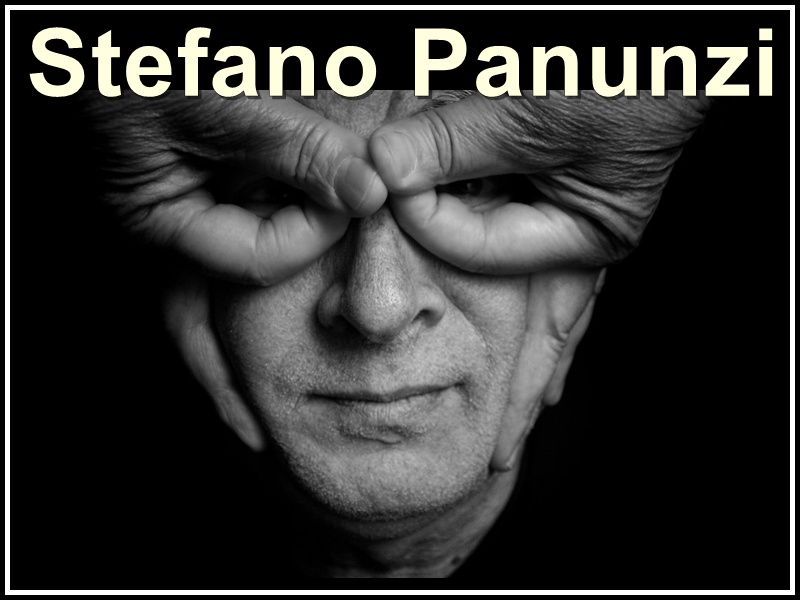
Stefano Panunzi racconta il nuovo album “Caravaggio”, un progetto ambizioso e stratificato tra elettronica, chitarre e visioni cinematografiche. Una conversazione che attraversa pittura, suono e tensione contemporanea.
E’ un piacere ritrovarti, Stefano. Il nuovo album “Caravaggio” si presenta come un lavoro complesso, ricco di contrasti e stratificazioni sonore che richiamano anche una forte dimensione visiva. Caravaggio usava il chiaroscuro per isolare i suoi soggetti dalla realtà circostante e renderli universali. Come hai tradotto questo principio in musica, c’è un equivalente sonoro di questa tecnica pittorica?
Grazie Giuseppe per avermi invitato in questa piacevole chiacchierata. Non ti nascondo che sia un discorso abbastanza elaborato e complesso, probabilmente come il mio progetto… Per prima cosa, trasportare lo stile di Caravaggio nella musica significherebbe trasformare il suo uso drammatico della luce, il crudo realismo e la tensione emotiva ovviamente in suono. Il punto centrale non sarebbe semplicemente “fare musica barocca”, ma creare un linguaggio musicale dove contrasto, vuoto, violenza e intimità convivono nello stesso istante. Ma prima di entrare in quelle che credo siano le accomunanze stilistiche lasciami dire che l’opera di Caravaggio, essendo molto presente nella città dove vivo (Roma) e dove spesso vado a passare qualche week-end (Napoli), il suo spirito lentamente penetra nella mia sfera emotiva e culturale perché aleggia intorno a te e ti coinvolge. Inoltre, non ti nascondo che il clima generale che si sta vivendo, o almeno ciò che io sto vivendo, con tutte queste criticità di geopolitica internazionale e tutti gli avvenimenti terribili di cui siamo testimoni passivi e frustrati, mi hanno portato ancora di più ad acuire nel mio stato d’animo quella tensione e quell’esigenza di veicolare nella musica il bisogno di denunciare un malessere interiore, un grido di aiuto, un grido di risveglio e di voglia di vivere pur nei propri drammi… Ecco, in tutto questo contesto ho pensato che Caravaggio fosse il giusto ambasciatore delle sofferenze dell’anima, delle passioni e della vita reale. Se devo sintetizzare lo “stile Caravaggio” in musica ti elenco (banalmente) alcuni elementi da mettere in evidenza: dinamiche estreme, momenti sospesi, contrasti armonici improvvisi, tensione teatrale/cinematografica costante, forte impatto percettivo/fisico utilizzando strumenti ritmici in bella evidenza, e dare ad ogni strumento una visibilità ben distinta e personale. Il vero chiaroscuro di Caravaggio non è solo visivo perché è il conflitto tra luce e abisso, e riuscire quindi ad alternare elementi melodici e ritmici in antitesi tra loro, non riempire sempre le scene musicali ma dare respiri, parti sospese, una modulazione improvvisa verso una tonalità luminosa e una ritmica più ariosa, un timbro inatteso che fa il suo ingresso… Ci sono tanti scenari musicali che possono essere presi in considerazione, il fine ultimo è “fare esplodere qualcosa dentro di noi”…
L’elettronica in questo album dialoga con chitarre elettrica e batteria acustica. In che modo hai trovato il punto di equilibrio tra questi elementi? Hai lavorato con un approccio più analogico o digitale?
Sì, il dialogo è sempre necessario quando scrivi un brano. Si parte dal dialogo con il cantante che è colui che scrive il testo su tematiche concordate e poi man mano generalmente si sposta l’equilibrio (e il dialogo) sugli strumenti da utilizzare per meglio incorniciare la canzone. È mia abitudine non relegare mai uno strumento in secondo piano, tutti devono contribuire alla forza e all’energia del brano. Così elettronica, chitarre elettriche e batteria acustica devono convivere ognuno con la propria personalità. E poi inevitabilmente sarà il mixing finale a ottimizzare questi equilibri. Più analogico o digitale? Direi fifty-fifty…
Ho letto che in questo album hai voluto portare la voce al centro della scena. Dal punto di vista pratico, arrangiamento e mix, cosa è cambiato rispetto ai tuoi lavori precedenti?
Ho spiegato ai cantanti il mood del progetto e il perché ispirarsi a Caravaggio nella presentazione dei brani e nella qualità dei testi e delle melodie. L’esigenza di evidenziare le difficoltà della vita, dei sentimenti sempre messi alla prova, della necessità di guardare la realtà attuale, così piena di violenza, aggressività, falsità e ipocrisia, e rafforzare i loro sentimenti nelle canzoni. Qui il cantante diventa il protagonista della tela sonora e deve avere la forza e la convinzione di guardarsi allo specchio e urlare il proprio bisogno narrativo, diventando decisivo quando si sente responsabilmente più coinvolto ed emotivamente più preso. Dal punto di vista pratico, credo che sia l’esperienza e la maturità personale quelle che portano una migliore qualità sia nella composizione e quindi nell’aver le idee realizzative più chiare. Gli arrangiamenti li curo esclusivamente io e per quanto riguarda il mixing mi accompagno con Fabio Fraschini (che tra l’altro suona il basso su metà dei brani), il quale dopo vent’anni di collaborazione (dal mio primo “Timelines” del 2005) sa qual è il mio pensiero su come trattare gli strumenti e come bilanciare ogni cosa.
I tuoi testi affrontano temi molto personali, disperazione, amori tormentati, ricerca di sé. Quando scrivi, parti dalla melodia o dalle parole? Il testo guida la musica o viceversa?
Generalmente non scrivo io i testi, ma sarà il cantante che coinvolgo. L’ho fatto solo pochissime volte, per ragioni molto personali e affettive per cui non ho voluto delegare nessun altro, soprattutto con “I Miss You”, canzone dedicata alla mia carissima amica Rosemary Barbieri, sorella di Richard, e magistralmente cantata da Andrea Chimenti. Il mio primo approccio è trovare la musica in una serie di armonie che poi prendono sempre più forma. Per quanto mi riguarda, la musica veicola sempre il testo: se non creo prima uno scenario, un’atmosfera, una “colonna sonora” adatta, non riesco a stabilire se sarà una canzone o uno strumentale. Solo allora inviterò il cantante. E devo dire che ha sempre funzionato.
“Caravaggio” è un ambizioso doppio album con un cast di collaboratori internazionali registrati presumibilmente in luoghi diversi. Come hai gestito la coerenza sonora del disco, c’è stato un momento in cui tutto si è assemblato in studio oppure il lavoro è avvenuto principalmente a distanza?
Ambizioso perché è un doppio o perché si porta addosso quel titolo? O ancora perché ci sono grandi artisti al suo interno? La coerenza è stata sempre quella di pensare che tutto facesse parte dello stesso progetto, dello stesso piano di lettura, della stessa regia. Ogni brano l’ho vissuto come fosse una tela da esporre, e dove i cantanti fossero i soggetti, i protagonisti presi in considerazione, ognuno sotto una luce diversa rispetto all’altro e rispetto alla canzone da realizzare. Anche gli artisti coinvolti non sono casuali: direttamente o indirettamente li conoscevo da tempo e conoscevo il tipo di apporto che avrebbero potuto dare. Certamente l’uso di internet ha facilitato la comunicazione e la velocità di realizzazione, dall’ascolto all’invio della performance eseguita. La distanza geografica è stata superata in questo modo e il mixing in studio in seguito ha permesso di uniformare equilibri sonori e di volume.
David Torn è noto per un approccio alla chitarra molto personale, fatto di loop, elaborazione temporale e timbri imprevedibili. Come sei riuscito ad indirizzare il suo contributo senza snaturarlo, integrandolo nella tua visione?
David Torn si integra bene dovunque, lui è un mago… ha la capacità di allargare il campo visivo/sonoro, ti regala l’imprevedibile, è lo strappo della tela, ti crea il pezzo sul pezzo sul quale vai ad aggiungere altre idee che non finirebbero mai… e allora sarai tu ad integrarti a lui… Le sue pennellate e i suoi fondali sonori sono cibo per l’anima e per le orecchie… Ed è proprio per questo che ho desiderato enormemente coinvolgerlo in varie tracce. David è Gandalf… è il Leonardo da Vinci della chitarra e degli effetti! E come non puoi amare un artista come lui?
Lavorare con musicisti come Colin Edwin o Theo Travis significa confrontarsi con personalità abituate a contesti molto definiti, Porcupine Tree, Gong, Steven Wilson. Quanto spazio hai lasciato all’improvvisazione e quanto era invece scritto?
Il coinvolgimento di Colin, sinceramente, è stata un po’ la ciliegina sulla torta, avendo già due bravissimi bassisti in squadra come Fabio Trentini (Le Orme, Marco Minnemann, Nina Hagen) e Fabio Fraschini (Novembre, Gianluca D’Alessio, Il Volo). Colin l’ho visto in diversi concerti con i Porcupine Tree, gli Ork e nel trio con Lorenzo Feliciati, quindi conoscevo le sue qualità e il suo sound, così l’inserimento nel brano “Hold” è stato automatico e senza nessuna difficoltà. Con Theo Travis il rapporto professionale nasce nel 2009, nell’album “A Rose” con il brano “Fades” cantato da Tim Bowness. Con Theo non scrivo partiture: dopo avergli inviato il demo, gli do solo indicazioni sullo strumento che vorrei sulla traccia e in linea di massima dove vorrei che fosse maggiormente presente, poi lascio carta bianca a lui, alla sua improvvisazione e alla sua eleganza melodica e sonora. Per principio non scrivo mai le parti ad alcun musicista, rischierei di limitarne la loro personalità e abilità.
Cinque album solisti in vent’anni, più i due Fjieri. Ascoltando “Caravaggio”, si sente un’evoluzione rispetto a “Pages From The Sea”? Cosa è cambiato nel tuo modo di comporre?
E nel frattempo alcune collaborazioni per i francesi Rejna, la norvegese Sienna, lo sloveno RCH. La differenza tra “Caravaggio” e i precedenti album? Qui sento di essermi avvicinato a quelle emozioni che senti e che ti invadono quando compri il CD di un artista che adori e non vedi l’ora di metterti comodo a casa per ascoltarlo. Sento in questo progetto di aver raggiunto un livello di qualità emozionale che prima era ancora in fase di maturazione: sentivi che era un bel progetto, ma non sentivi ancora quella sensazione intensa che ti assaliva. In “Caravaggio” sento una maturità che non era stata ancora espressa precedentemente. Probabilmente ho aggiunto nelle composizioni quella polverina magica che prima non avevo… ma che ora, con l’età che avanza, si materializza…
A chi consiglieresti questo album, qual è il punto d’ingresso ideale per chi non ti conosce ancora?
Direi senza sorta di dubbio di ascoltare “Caravaggio”. È sicuramente un lavoro che richiede disponibilità di tempo per ascoltarlo (a detta di un giornalista potrebbe essere addirittura l’album di inediti più lungo della storia con oltre due ore e mezza di musica!) e tempo per dargli la giusta attenzione. Ma credo che possa dare tanti spunti di riflessione, sia musicali che tematici, raccoglie tanti aspetti timbrici vocali e strumentali: ogni brano rappresenta una tela con la sua giusta dose di luci e di ombre, ogni cantante con il suo brano può rappresentare i tuoi umori, i tuoi sentimenti e le tue emozioni. Credo che sia un album che non ti deluderà.
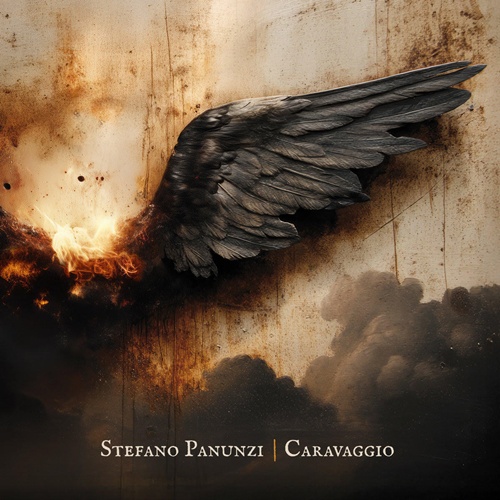
Stefano Panunzi talks about the new album “Caravaggio”, an ambitious and layered project blending electronics, guitars and cinematic visions. A conversation that moves through painting, sound and contemporary tension.
It’s a pleasure to have you back, Stefano. The new album “Caravaggio” comes across as a complex work, full of contrasts and sonic stratifications that also evoke a strong visual dimension. Caravaggio used chiaroscuro to isolate his subjects from the surrounding reality and make them universal. How did you translate this principle into music, is there a sonic equivalent to this painting technique?
It’s a pleasure to meet you again, Giuseppe. I won’t hide the fact that this is quite an elaborate and complex discussion, probably just like my project… First of all, translating Caravaggio’s style into music would mean turning his dramatic use of light, raw realism and emotional tension into sound. The core idea would not simply be “making baroque music”, but creating a musical language where contrast, emptiness, violence and intimacy coexist at the same time. But before getting into what I believe are the stylistic connections, let me say that Caravaggio’s work is very present in the city where I live (Rome) and where I often spend weekends (Naples), so his spirit slowly permeates my emotional and cultural sphere because it surrounds you and involves you. Moreover, I must admit that the general climate we are living in, or at least what I am experiencing, with all these geopolitical critical issues and all the terrible events we witness passively and with frustration, has further sharpened my inner state and my need to channel into music the urge to express inner discomfort, a cry for help, a cry for awakening and for the will to live even through personal drama… In this context I felt Caravaggio was the right ambassador for the sufferings of the soul, passions and real life. If I have to summarize “Caravaggio style” in music, I can list some elements: extreme dynamics, suspended moments, sudden harmonic contrasts, constant theatrical/cinematic tension, strong physical/percursive impact with rhythm instruments in evidence, and giving every instrument a distinct and personal identity. Caravaggio’s true chiaroscuro is not only visual, because it is the conflict between light and abyss, and therefore alternating melodic and rhythmic elements in opposition, not always filling the musical space, but leaving breaths, suspended parts, sudden modulations towards brighter tonalities and more open rhythms, unexpected timbres entering the scene… There are many musical scenarios that can be considered, the ultimate goal is “to make something explode inside us”…
The electronics in this album interact with electric guitars and acoustic drums. How did you find the balance between these elements? Did you work with a more analog or digital approach?
Yes, dialogue is always necessary when you write a song. You start from the dialogue with the singer, who writes lyrics based on agreed themes, and then gradually the balance (and dialogue) shifts towards the instruments to better frame the song. It’s my habit never to relegate any instrument to a secondary role; all must contribute to the strength and energy of the track. So electronics, electric guitars and acoustic drums must coexist, each with its own personality. And then, inevitably, the final mixing stage optimizes these balances. More analog or digital? I’d say fifty-fifty…
I read that on this album you wanted to bring the voice to the center of the stage. From a practical point of view, arrangement and mixing, what has changed compared to your previous works?
I explained to the singers the mood of the project and why they should be inspired by Caravaggio in presenting the songs and in the quality of lyrics and melodies. The need to highlight life’s difficulties, emotions constantly tested, the necessity of looking at today’s reality full of violence, aggression, falseness and hypocrisy, and to strengthen their feelings in the songs. Here the singer becomes the protagonist of the sonic canvas and must have the strength and conviction to look at themselves in the mirror and shout their narrative need, becoming decisive when they feel more responsibly involved and emotionally engaged. From a practical point of view, I believe it is experience and personal maturity that lead to better quality both in composition and in having clearer creative ideas. I handle arrangements entirely myself, and for mixing I work with Fabio Fraschini (who also plays bass on half of the tracks), who after twenty years of collaboration (since my first “Timelines” in 2005) knows my approach to handling instruments and balancing everything.
Your lyrics deal with very personal themes, despair, tormented love, self-searching. When you write, do you start from melody or words? Does the lyrics guide the music or the other way around?
Generally I don’t write the lyrics myself, but it is the singer I work with who does. I’ve done it only a few times, for very personal and emotional reasons where I didn’t want to delegate anyone else, especially with “I Miss You”, a song dedicated to my dear friend Rosemary Barbieri, Richard’s sister, and beautifully sung by Andrea Chimenti. My first approach is to find the music through a series of harmonies that gradually take shape. As far as I’m concerned, music always carries the lyrics: if I don’t first create a scenario, an atmosphere, a suitable “soundtrack”, I cannot even decide whether it will become a song or an instrumental. Only then do I invite the singer. And I must say it has always worked.
“Caravaggio” is an ambitious double album featuring a cast of international collaborators recorded presumably in different places. How did you manage the sonic coherence of the record? Was there a moment when everything came together in the studio, or was the work mainly done remotely?
Ambitious because it’s a double album, or because it carries that title? Or because it features great artists? The coherence has always come from the idea that everything belonged to the same project, the same narrative frame, the same direction. I experienced each track as if it were a canvas to be exhibited, where the singers were the subjects, each placed under a different light. The artists involved are not random: I knew them directly or indirectly and I knew what they could bring. Of course, the use of the internet helped communication and speed of production, from listening to sending performances. The geographical distance was overcome this way, and the final studio mixing allowed all sonic and volume balances to be unified.
David Torn is known for a very personal guitar approach, made of loops, time-based processing and unpredictable timbres. How did you manage to guide his contribution without stripping away his identity, while integrating him into your vision?
David Torn fits everywhere, he is a wizard… he has the ability to expand the visual and sonic field, he gives you unpredictability, he is the tear in the canvas, he creates the piece within the piece on which you then build ideas that would otherwise never end… and so you end up integrating yourself into him… His brushstrokes and soundscapes are food for the soul and the ears… That’s exactly why I strongly wanted him on several tracks. David is Gandalf… he is the Leonardo Da Vinci of guitar and effects! How could you not love an artist like him?
Working with musicians like Colin Edwin or Theo Travis means dealing with personalities used to very defined contexts, Porcupine Tree, Gong, Steven Wilson. How much space did you leave for improvisation and how much was written?
The involvement of Colin was honestly the icing on the cake, already having two excellent bass players in the team like Fabio Trentini (Le Orme, Marco Minnemann, Nina Hagen) and Fabio Fraschini (Novembre, Gianluca D’Alessio, Il Volo). I had seen Colin live with Porcupine Tree, Ork and in a trio with Lorenzo Feliciati, so I already knew his qualities and sound, so his inclusion in the track “Hold” was immediate and effortless. My professional relationship with Theo Travis began in 2009, on the album “A Rose” with the track “Fades” sung by Tim Bowness. With Theo I don’t write scores: after sending him the demo, I only give indications about the instrument I want and where I would like it to be more present, then I leave complete freedom to his improvisation and musical elegance. As a rule, I never write parts for musicians, as I would risk limiting their personality and skill.
Five solo albums in twenty years, plus the two Fjieri records. Listening to “Caravaggio”, can you hear an evolution compared to “Pages From The Sea”? What has changed in your compositional approach?
And meanwhile some collaborations with the French Rejna, the Norwegian Siennà, the Slovenian RCH. The difference between “Caravaggio” and previous albums? Here I feel I have approached those emotions you feel when you buy a CD from an artist you love and can’t wait to listen to at home. I feel I’ve reached a level of emotional quality that was previously still developing: you sensed it was a good project, but not yet that overwhelming feeling. In “Caravaggio” I feel a maturity that had not been expressed before. I may have added that magical dust in the compositions that I didn’t have before… but now, with age advancing, it materializes…
Who would you recommend this album to, and what is the ideal entry point for someone discovering you for the first time?
I would definitely recommend listening to “Caravaggio”. It is a work that requires time (according to a journalist it could even be the longest studio album in history with over two and a half hours of music!) and attention. But I believe it can offer many reflections, both musical and thematic, gathering timbral, vocal and instrumental aspects: each track is a canvas with its own light and shadow, each singer represents moods, emotions and feelings. I believe it is an album that will not disappoint.

