
ENGLISH VERSION BELOW: PLEASE, SCROLL DOWN!
I Malamorte tornano a scavare nell’orrore di Damien Thorn con Alex Nunziati e “Omen II”, nuovo capitolo di una saga che il progetto non ha mai smesso di alimentare. Tra riff più metallici, atmosfere da cinema oscuro e una scrittura sempre più consapevole, il nono album dei Malamorte, pubblicato da Moribund Records, prova a spingersi ancora più a fondo nell’immaginario di Damien, trasformando angoscia, presagi e discesa nell’oscurità in materia sonora. Ne abbiamo parlato con Alex Nunziati, tra evoluzione del sound, culto cinematografico e un curioso episodio avvenuto in studio.
Ciao Alex, grazie ancora per essere qui su Il Raglio Del Mulo. “Omen II” arriva come seguito diretto di “Omen” e torna a raccontare la vicenda di Damien Thorn attraverso un approccio ancora più cinematografico. Dopo aver già affrontato questo universo nel 2022, cosa ti ha spinto a tornare proprio alla storia di “Damien: Omen II” e cosa volevi esplorare questa volta che non avevi ancora affrontato?
Partiamo dal fatto che adoro la trilogia di Omen e ho sempre voluto realizzare qualcosa che la riguardasse. Ad oggi “Omen”, il primo capitolo, nonostante le critiche anche negative, risulta essere l’album più venduto dei Malamorte. Io penso perché ho cercato di far in modo di trasmettere il più possibile le emozioni del film. Il nuovo capitolo è sicuramente una spanna sopra, sia come composizione che come sviluppo generale.
L’album funziona quasi come una colonna sonora horror-metal del film del 1978. Come hai trasformato immagini, atmosfere e tensione narrativa in riff, melodie e strutture musicali, e c’è un brano in cui pensi che questo legame con il film sia particolarmente evidente?
Penso che questo possa succedere solo quando conosci a fondo un film, allora sei in grado di immergerti completamente nelle atmosfere, le vivi e le trasferisci sia musicalmente che vocalmente. Penso che i brani cosiddetti “lenti”, come “Heir Of Shadows” e “Inheritance”, trasmettano bene l’angoscia provata da Damien, soprattutto la seconda, la presa di coscienza di essere l’Anticristo, che Damien vive in modo drammatico inizialmente.
Rispetto a “Omen”, in “Omen II” emergono atmosfere più oscure, ritornelli molto incisivi e una componente cinematografica particolarmente marcata. Quando hai iniziato a comporre il materiale, avevi già in mente questa direzione sonora oppure è emersa durante la scrittura?
Sicuramente volevo fare un album più Metal e dinamico e soprattutto classico, mi sono veramente concentrato sulle atmosfere. Come tutti gli album precedenti, ho iniziato nei mesi precedenti a buttare giù riff e linee melodiche, in alcuni casi avevo già i ritornelli. Volevo in ogni caso rappresentare la pellicola in ogni suo aspetto, dai momenti più dinamici a quelli più drammatici.
“Raven At Midnight” e “Heir Of Shadows” sono stati scelti come brani centrali della campagna di lancio, ma rappresentano anche due momenti diversi del disco. Perché hai scelto proprio queste due canzoni per presentare “Omen II” e cosa pensi raccontino meglio dell’identità dell’album?
I due pezzi mi sono stati proposti da Odin della Moribund e io ho accettato, non so se siano rappresentativi o meno, perché l’album ha diverse anime e forse non è facile capire ascoltando solo due brani.
Nelle nostre precedenti interviste abbiamo parlato più volte dei tuoi diversi progetti, da Lord Vampyr ad Alex Nunziati e alle altre esperienze che hanno segnato il tuo percorso. Cosa senti che “Omen II” aggiunga oggi alla tua personale storia musicale e cosa invece appartiene esclusivamente al mondo dei Malamorte?
Mi ripeterò, come ho fatto anche con l’ultimo Lord Vampyr, ma penso che questo sia veramente l’album migliore dei Malamorte, per le canzoni, l’impegno, la qualità dei brani, sono molto orgoglioso, soprattutto perché ho ricevuto degli attestati di stima da persone a cui tengo, quindi penso che abbiamo fatto un ottimo lavoro.
I Malamorte sono arrivati al loro nono album attraversando diverse fasi e sviluppando progressivamente una propria identità. Guardando indietro, c’è un momento preciso in cui hai capito che i Malamorte avevano trovato una direzione realmente riconoscibile, oppure è qualcosa che hai continuato a costruire disco dopo disco?
Io non smetto mai di evolvermi, penso sempre di aggiungere un qualcosa in più o a volte anche in meno. Penso che ora i Malamorte abbiano un sound ben definito e questa sarà la strada anche per il futuro.
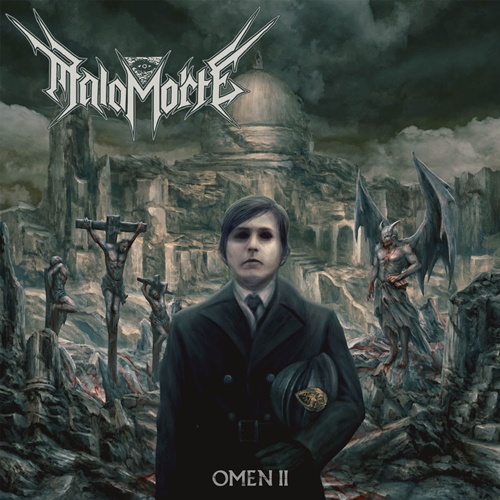
Per “Omen II” hai lavorato ai Music Up Studio, mentre l’artwork è stato affidato ad Adi Dechristianize. Quanto è importante per te che produzione, copertina, musica e immaginario horror contribuiscano tutti a costruire la stessa atmosfera, e quanto invece lasci spazio all’interpretazione personale di chi ascolta?
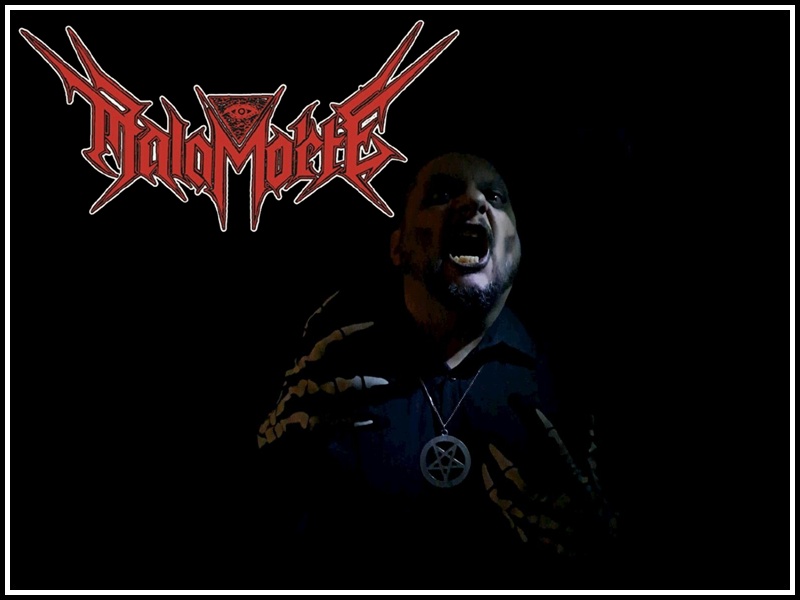
Tutto deve contribuire a far comprendere il contenuto dell’album, a volte non capisco le scelte di certe band che propongono copertine oggettivamente orrende o, come dire, “buttate là”. Ogni cosa contribuisce alla buona riuscita di un album, soprattutto in determinati generi. Ovviamente ogni ascoltatore poi avrà una percezione diversa. Sicuramente non userò più il trucco per le foto di Malamorte, la band e il sound si sono evoluti, non voglio paragoni, non voglio essere fuorviante e voglio che parli la musica.
Dopo aver parlato più volte dei tuoi progetti e della tua carriera, vorrei chiederti qualcosa che non ti ho mai domandato: c’è un episodio legato ai Malamorte, a un concerto o alla realizzazione di uno dei tuoi album che ancora oggi ti fa sorridere quando ci ripensi e che non hai mai raccontato in una delle nostre precedenti interviste?
Come sai i Malamorte sono un side-project, non abbiamo mai suonato live. Sicuramente un episodio, che non definirei del tutto divertente, è accaduto durante la registrazione di un album. Mi è stata scattata una foto mentre eravamo nella sala regia, esternamente c’era un’altra sala dove generalmente si fanno le prove, quindi luci spente ecc., quando abbiamo visto la foto abbiamo notato una serie di figure, ho chiamato anche gli altri dello studio ed erano ben evidenti tutta una serie di “personaggi” presenti nella stanza di fronte.
Ora che “Omen II” è finalmente uscito, quali sono i prossimi passi per i Malamorte? Stai già pensando a nuovi progetti o preferisci per il momento lasciare che questo nuovo capitolo faccia il suo percorso prima di iniziare a guardare al prossimo?
No, mai successo in vita mia che mi fermo, sto già lavorando al nuovo Lord Vampyr e ad altri progetti. Ci sono stati dei problemi riguardo all’uscita del video di “Raven At Midnight”, che spero vivamente che venga realizzato prima o poi. Spero vivamente di raccogliere i frutti di tanto impegno, perché l’album ha veramente delle grosse potenzialità e mi auguro che la gente lo percepisca e lo apprezzi.
Malamorte return to the dark side of Damien Thorn with Alex Nunziati and “Omen II”, the new chapter in a saga the project has never stopped feeding. Between heavier Metal riffs, dark cinematic atmospheres and increasingly focused songwriting, the ninth Malamorte album, released by Moribund Records, delves even deeper into the world of Damien, turning anxiety, omens and a descent into darkness into pure sonic matter. We talked to Alex Nunziati about the evolution of the sound, his passion for the cinematic universe and a strange episode that took place in the studio.
Hi Alex, thanks again for being here on Il Raglio Del Mulo. “Omen II” arrives as a direct follow-up to “Omen” and once again tells the story of Damien Thorn through an even more cinematic approach. After already exploring this universe in 2022, what made you want to return specifically to the story of “Damien: Omen II”, and what did you want to explore this time that you hadn’t tackled before?
Let’s start with the fact that I love the Omen trilogy and I’ve always wanted to create something related to it. To this day, “Omen”, the first chapter, despite the negative criticism as well, remains the best-selling Malamorte album. I think that’s because I tried to convey as much of the film’s emotions as possible. The new chapter is definitely a step above, both in terms of composition and overall development.
The album works almost like a horror-metal soundtrack to the 1978 movie. How did you turn images, atmospheres and narrative tension into riffs, melodies and musical structures, and is there a track where you feel this connection with the film is particularly evident?
I think this can only happen when you know a movie inside out. Then you’re able to completely immerse yourself in its atmospheres, live them and transfer them both musically and vocally. I think the so-called “slow” tracks, such as “Heir Of Shadows” and “Inheritance”, convey Damien’s anguish very well, especially the latter, when he realizes that he is the Antichrist, something Damien initially experiences in a very dramatic way.
Compared to “Omen”, “Omen II” features darker atmospheres, very striking choruses and a particularly strong cinematic component. When you started writing the material, did you already have this sonic direction in mind, or did it emerge during the songwriting process?
I definitely wanted to make a more Metal and dynamic album and, above all, a more classic one. I really focused on the atmospheres. As with all the previous albums, I started putting together riffs and melodic lines in the months leading up to it; in some cases, I already had the choruses. In any case, I wanted to represent the movie in every aspect, from the more dynamic moments to the more dramatic ones.
“Raven At Midnight” and “Heir Of Shadows” were chosen as key tracks for the launch campaign, but they also represent two different moments on the record. Why did you choose these two songs to introduce “Omen II”, and what do you think they reveal best about the album’s identity?
The two tracks were suggested to me by Odin from Moribund and I agreed. I don’t know whether they are representative or not, because the album has different sides to it and maybe it’s not easy to understand that by listening to only two tracks.
In our previous interviews, we’ve talked several times about your various projects, from Lord Vampyr to Alex Nunziati and the other experiences that have shaped your path. What do you feel “Omen II” adds to your personal musical history today, and what instead belongs exclusively to the world of Malamorte?
I’ll repeat myself, as I also did with the latest Lord Vampyr album, but I really think this is the best Malamorte album, because of the songs, the effort, the quality of the tracks. I’m very proud, especially because I’ve received words of appreciation from people I care about, so I think we did a great job.
Malamorte have reached their ninth album after going through different phases and progressively developing their own identity. Looking back, was there a specific moment when you realized that Malamorte had found a truly recognizable direction, or is it something you’ve continued to build record after record?
I never stop evolving. I always think about adding something more, or sometimes even something less. I think Malamorte now have a well-defined sound, and that’s the path we’ll follow in the future as well.
For “Omen II”, you worked at Music Up Studio, while the artwork was entrusted to Adi Dechristianize. How important is it for you that the production, cover artwork, music and horror imagery all contribute to building the same atmosphere, and how much room do you instead leave for the listener’s personal interpretation?
Everything has to contribute to making the album’s content understandable. Sometimes I don’t understand the choices made by certain bands that come up with objectively horrible covers or, how can I put it, covers that look like they were just thrown together. Everything contributes to making an album successful, especially in certain genres. Obviously, every listener will then have a different perception. I definitely won’t use makeup anymore for Malamorte photos. The band and the sound have evolved. I don’t want comparisons, I don’t want to be misleading, and I want the music to speak for itself.
After talking several times about your projects and your career, I’d like to ask you something I’ve never asked you before: is there an episode involving Malamorte, a concert or the making of one of your albums that still makes you smile when you think back on it, and that you’ve never told us about in any of our previous interviews?
As you know, Malamorte are a side project, and we’ve never played live. There is certainly one episode, which I wouldn’t exactly call funny, that happened during the recording of an album. Someone took a photo of me while we were in the control room. Outside, there was another room where rehearsals are usually held, so the lights were off, etc. When we saw the photo, we noticed a series of figures. I also called the others from the studio over, and there was clearly a whole series of “characters” present in the room opposite us.
Now that “Omen II” is finally out, what are the next steps for Malamorte? Are you already thinking about new projects, or would you rather let this new chapter run its course for now before starting to look ahead to the next one?
No, I’ve never stopped in my life. I’m already working on the new Lord Vampyr album and on other projects. There were some problems concerning the release of the video for “Raven At Midnight”, which I sincerely hope will be made sooner or later. I sincerely hope to reap the rewards of all the hard work, because the album really has huge potential, and I hope people will recognize that and appreciate it.

