
ENGLISH VERSION BELOW: PLEASE, SCROLL DOWN!
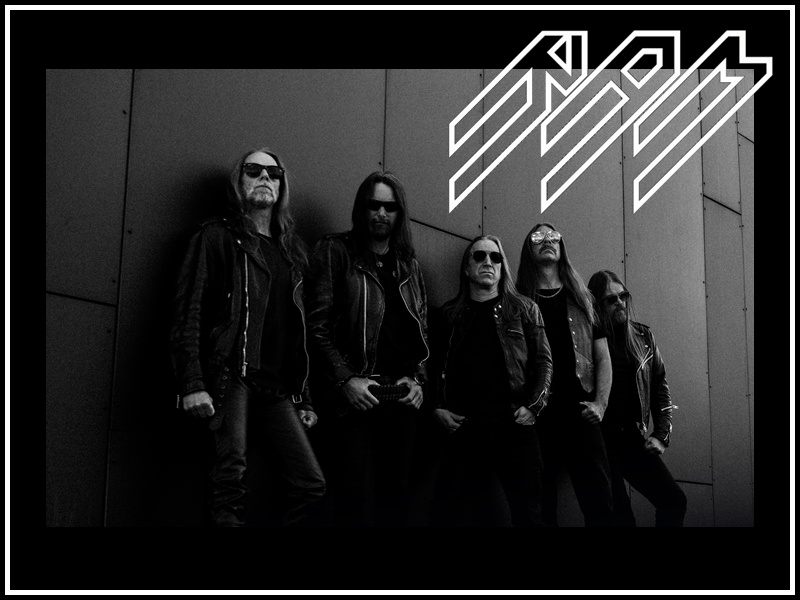
Con oltre venticinque anni di carriera alle spalle, i Ram tornano con “Against”, pubblicato da Metal Blade Records, un album che trasforma lo spirito ribelle dell’Heavy Metal in una dichiarazione d’intenti senza compromessi. Oscar, il cantante della band, ci accompagna attraverso la lunga gestazione del disco, dalla riscoperta di vecchi riff alla scelta di un sound più organico, passando per brani come “Against”, “1984”, “Night Blade” e “Abattoir”.
Grazie per essere con noi. “Against” arriva quasi sette anni dopo “The Throne Within”, ma invece di proseguire lungo il percorso spirituale e metafisico di quell’album, rivolge l’attenzione verso qualcosa di molto più immediato: la resistenza, la sfida e il rifiuto di sottomettersi quando la pressione diventa schiacciante. Cosa stava accadendo all’interno dei Ram che ha reso questo il momento giusto per incanalare quell’attitudine in un intero album?
È sempre stato presente nei Ram crediamo che il vero spirito dell’Heavy Metal sia la stessa verità senza compromessi dell’individuo verso se stesso, indipendentemente dalle correnti del mondo, indipendentemente dai movimenti della collettività. La collettività è sempre un compromesso del sé, e nasciamo soli e moriamo soli, quindi la vera verità può essere soltanto individuale. La follia del mondo e tutto ciò che non va in esso affonda le proprie radici nella collettività cieca che agisce per paura di non integrarsi. I Ram stanno dalla parte dell’individuo che rifiuta di piegarsi alla pressione sociale o al conformismo. La forza nei numeri è una menzogna, il potere è uno!
Il materiale alla base di “Against” si è accumulato nell’arco di un periodo straordinariamente lungo, con alcune idee che risalgono a molti anni fa e “Leaving” che contiene persino elementi risalenti al 2006. Come ha deciso la band quali idee più vecchie avessero ancora la forza necessaria per sopravvivere, e cosa ha fatto sì che quei brani si inserissero naturalmente accanto a canzoni scritte molto più di recente?
Il materiale del 2006 è confluito tutto nella canzone “Leaving”, Harry aveva scritto alcune parti di quella canzone nel 2006, ma non era mai stata completata; quando abbiamo ricominciato a scrivere dopo i tour di “The Throne Within”, l’ha ripresa e l’ha terminata. Ma noi, come credo tutte le band, scriviamo molto più materiale di quello che poi finisce sugli album e a volte inizi a guardare nei tuoi “archivi” per vedere se c’è qualcosa che ha bisogno di essere riportato in vita. È una buona pratica, perché impari qualcosa su te stesso come autore, puoi rintracciare il motivo per cui hai scritto determinate cose in certi momenti e io cercherei di usare questa conoscenza per trovare una coerenza e sforzarmi di individuare quel materiale che suona senza tempo, scartando quello che suona datato.
Nonostante questa lunga gestazione, l’approccio alla scrittura è diventato deliberatamente più diretto, con il principio del “tagliare le stronzate” a guidare il processo. Semplificare le canzoni è stato effettivamente più difficile che scrivere materiale tecnicamente più elaborato, e l’esperienza accumulata dai Ram nel corso degli anni ha cambiato il modo in cui la band definisce ciò di cui una canzone ha realmente bisogno?
Ero molto, molto soddisfatto del risultato finale di “The Throne Within”, talmente soddisfatto da pensare che fosse quasi un album perfetto, ma una sola cosa mi dava fastidio: gli mancava quell’elemento del “kill your darlings”, sentire una strofa per la terza volta mi infastidiva e pensavo che, se l’album fosse stato semplicemente più compatto e diretto, sarebbe stato più vicino alla perfezione. Quindi questa mentalità era presente in tutta la nostra scrittura successiva a quel momento ed era qualcosa in cui credevamo tutti. Ma non sarebbe stato possibile se non avessimo accumulato negli anni l’esperienza nella scrittura delle canzoni, perché è un’arte e ci vogliono le palle. Penso che i musicisti, in generale, tendano a complicare le cose man mano che diventano sempre più bravi a suonare i propri strumenti, ma il vero potere risiede nella semplificazione. I riff immortali sono ancora i più semplici, “Smoke On The Water”, “Iron Man” eccetera. Abbiamo preso davvero a cuore questo concetto e abbiamo cercato di realizzare un album per il formato in vinile, un martello da 40 minuti, che semplicemente giri dall’altra parte una volta finito e venga fatto ripartire.
Questa ricerca della immediatezza si estende anche al sound, con l’ispirazione proveniente dai primi Dio, MSG e Sweet e il desiderio di una registrazione onesta e non levigata. Quanto era importante resistere alla moderna tendenza verso un metal iper-prodotto, e cosa ha portato Johan Reiven alle sessioni per contribuire a ottenere il carattere organico che la band cercava?
Abbiamo registrato questo album dal vivo in uno studio davvero magnifico nel sud-ovest della Svezia. La sala di registrazione è di 150 metri quadrati e il soffitto è alto qualcosa come 9 metri. Lo studio è davvero all’avanguardia, ma non secondo gli standard moderni: semplicemente un grande e potente banco API, ottimi effetti outboard e oltre 200 microfoni vintage. Quindi abbiamo sistemato tutto come avrebbe fatto una band ai vecchi tempi. Poi abbiamo vissuto nello studio fino a quando la maggior parte dell’album non è stata registrata. Il nostro obiettivo era rendere tutto il più onesto possibile, ciò che senti è ciò che ottieni; alcune imperfezioni sono state lasciate apposta, proprio per cercare di mostrare il più possibile l’anima della band. Suppongo che lo abbiamo fatto anche come reazione a tutti i moderni modi di produrre musica, a tutto questo suonare su una griglia e poi quantizzare tutto su quella griglia; sembra che i click siano diventati membri della band. Mi chiedo perché le band non lascino quel click udibile sull’album, visto il ruolo così importante che ha avuto nel loro processo di registrazione. Manca semplicemente qualsiasi cosa abbia a che fare con il rock ‘n’ roll, e noi non ne vogliamo sapere. Una band ha bisogno di quella potenza organica, di quell’elemento umano, altrimenti tanto vale lasciare che faccia tutto l’AI al posto tuo.
Registrare allo Studio Recordia invece che nell’ex Black Path Studios della band significava anche lasciare alle spalle un ambiente familiare. La decisione di registrare gli assoli di chitarra attraverso amplificatori wet e dry separati, con microfoni ambientali che catturavano l’ampio spazio della sala di registrazione, ha prodotto un approccio molto diverso al suono dello strumento. Cosa ha rivelato questo setup sulla musica dei Ram che potrebbe essere andato perduto attraverso un metodo di studio più controllato?
Registrare gli assoli in quel modo è stata una decisione presa sul momento, ma non appena l’abbiamo provato, è suonato semplicemente così giusto. Stavamo bevendo birra e piazzando microfoni senza controllare la fase o fare altro, e tutte queste imperfezioni hanno creato un effetto di modulazione naturale che adoro. Lavorare al Black Path era diverso, perché è uno studio molto più piccolo e questo crea dei limiti, e i limiti possono essere positivi, ma qui eravamo liberi di fare qualsiasi cosa. Non vedo davvero l’ora di tornare al Recordia e fare alcune delle cose di cui abbiamo parlato ma che non abbiamo mai avuto la possibilità di provare.
La title track sembra condensare l’intera filosofia dell’album, con la sua ispirazione a “Davide e Golia” e il suo rifiuto senza compromessi di tirarsi indietro. Quando una canzone nasce da una sensazione personale di opposizione così diretta, quanto determina l’emozione originaria l’arrangiamento finale, i testi e la performance?
È semplicemente successo che personalmente mi sono trovato in una situazione molto simile alla posizione dei Ram sull’individuo contro la collettività ed è stato molto terapeutico per me incanalare attraverso la scrittura delle canzoni le mie frustrazioni per quella situazione. Qui, come in molte altre occasioni della mia vita, il sostegno dell’Heavy Metal a chi si trova all’opposizione contro ogni probabilità mi ha davvero aiutato e sono molto contento di aver immortalato in una canzone quel momento di sfida.
“1984” prende la visione distopica di Orwell e la trasforma in qualcosa di deliberatamente contemporaneo, suggerendo che i meccanismi di controllo non siano più un monito sul futuro, ma facciano parte del presente. Come ha affrontato la band la sfida di trasformare un riferimento culturale così familiare in una canzone che parlasse in modo specifico del mondo che stiamo vivendo oggi?
Era qualcosa che volevo fare da molto tempo. Il capolavoro di Orwell descrive perfettamente l’orrore claustrofobico della tirannia autoritaria sostenuta da una collettività complice e questo è il mio incubo peggiore. Durante il Covid ho provato quella sensazione, era orribile essere spinti da pecore e pastori ad agire contro le proprie convinzioni, ma io non ho fatto marcia indietro. Questo mi ha fatto pensare a come i social media eccetera possano essere utilizzati per influenzare le popolazioni a comportarsi secondo una mentalità da gregge, nella paura di non integrarsi o di distinguersi, e con la tecnologia moderna è più facile che mai. In questo momento la maggior parte dei perfidi algoritmi viene utilizzata per interessi commerciali, ma è così che è iniziata anche la propaganda negli anni ’30; una delle influenze di Joseph Goebbels fu il marketing e, sorprendentemente, il genio ebreo Edward Barneys. Goebbels utilizzò le sue tecniche di influenza per condurre il popolo tedesco verso l’autoritarismo. La psicologia alla base di tutto questo è la stessa e dovremmo esserne molto consapevoli.
“Night Blade” torna deliberatamente allo spirito incentrato sui riff del metal degli anni Settanta e dei primi anni Ottanta, mentre “Abattoir” si spinge verso lo speed metal con riferimenti a Exodus e Accept. Cosa ritiene Ram che sia andato perduto nel metal moderno quando il riff non è più la forza centrale, e perché tornare a quella potenza fisica elementare continua a essere così importante?
Il riff dovrebbe essere la spina dorsale della maggior parte delle canzoni metal; l’eccezione sono i Maiden, che sono più orientati verso la melodia, ma un riff duro e pesante suonato con chitarre distorte è la carne e le patate dell’Heavy Metal e un riff immortale può essere più grande della canzone di cui fa parte. È un grande potere che molte band, per qualche ragione, hanno dimenticato. Penso che il problema potrebbe essere che un riff sarà potente solo quanto è semplice e i chitarristi non vogliono sembrare dei musicisti scarsi, quindi vogliono suonare le cose più intricate, ma quanto è figo non aver scritto il riff che è la prima cosa che qualcuno suona quando inizia a imparare la chitarra?
L’album si chiude attorno a una dichiarazione d’identità molto chiara: i Ram sono “Against” le categorizzazioni, le mode e la moltiplicazione infinita dei sottogeneri del metal, difendendo l’Heavy Metal nella sua forma più pura. Dopo più di venticinque anni come band, contro cosa sente ancora di dover combattere Ram e cosa dovrebbe fare un eventuale futuro capitolo per mantenere vivo quello spirito ribelle senza limitarsi a ripetere il passato?
L’Heavy Metal deve essere la ribellione elettrificata del vero spirito, se non lo è, allora non è più Heavy Metal. È obbligo di ogni band metal mantenere viva quella ribellione e schierarsi contro ogni forma di conformismo e mentalità da gregge. Noi siamo contro il mondo, i suoi leader bugiardi e i suoi seguaci ciechi, l’Heavy Metal è la nostra arma e con essa accenderemo la scintilla della ribellione negli eletti. Per citare la canzone “Defiant” dal nostro album “Death”: “We will wake those who sleep, make wolves out of sheep.”
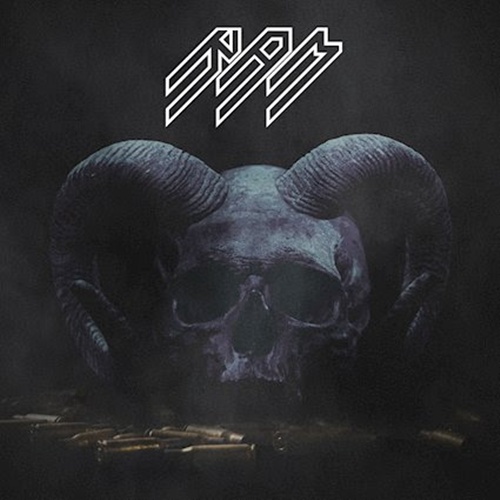
With more than twenty-five years of career behind them, Ram return with “Against”, released by Metal Blade Records, an album that turns the rebellious spirit of Heavy Metal into an uncompromising statement of intent. Oscar, the band’s vocalist, takes us through the long gestation of the record, from the rediscovery of old riffs to the choice of a more organic sound, touching on songs such as “Against”, “1984”, “Night Blade” and “Abattoir”.
Thank you for joining us. “Against” arrives almost seven years after “The Throne Within”, but rather than continuing along the spiritual and metaphysical path of that album, it turns its attention toward something far more immediate: resistance, defiance and the refusal to submit when the pressure becomes overwhelming. What was happening within Ram that made this the right moment to channel that attitude into an entire album?
It was always present in Ram, we believe that the true spirit of Heavy Metal is the same as the individuals uncompromising truth towards themselves regardless of the currents in the world, regardless of the movements of the collective. The collective is always a compromise of the self, and we are born alone and we die alone, so real truth can only be individual. The madness of the world and what is wrong with it all roots from the blind collective acting in fear of not fitting in. Ram stand by the individual who refuses to bend to social pressure or conformity. Strength in numbers a lie the power is one!
The material behind “Against” accumulated over a remarkably long period, with some ideas going back many years and “Leaving” even containing elements dating to 2006. How did the band decide which older ideas still had the strength to survive, and what made those pieces fit naturally alongside songs written much more recently?
The material from 2006 all manifested in the song “Leaving”, Harry had written parts of that song back in 2006 but it was never finished, when we started writing again after The Throne Within tours, he picked it up again and finished it. But we as I suppose all bands write much more material than what ends up on albums and sometimes you start looking in your “storages” to see if something needs reviving. Its a good practice as you learn something about yourself as a songwriter, you might trace why you wrote certain stuff at certain times and I would try to use this knowledge to find a consistency and strive to find what material that sound timeless and disregarding that which sounds dated.
Despite that long gestation, the songwriting approach became deliberately more direct, with the principle of “cut the bullshit” guiding the process. Was simplifying the songs actually more difficult than writing technically more elaborate material, and did the experience gained by Ram over the years change the way the band defines what a song really needs?
I was very, very pleased with the final result of The Throne Within, so pleased that I thought that it was almost a perfect album but just one thing bugged me, it lacked this “kill your darlings” element, hearing a verse for a third time was annoying to me and I thought if the album had just been more compact and direct it would have been closer to a perfect album. So this mindset was present in all our songwriting after that point and it was something we all believed in. But it would not have been possible if we had not accumulated the experience of songwriting over the years as it is an art and it takes balls. I think musicians over all tend to complicate things as they become better and better at playing their instruments but the real power lies in simplifying. The immortal riffs are still the simplest, “Smoke On The Water”, “Iron Man” etc. We really took this to heart and tried to make an album for the vinyl media an 40 minute sledgehammer, that you just turn over after it is done and play again.
That search for directness also extends to the sound, with inspiration coming from early Dio, MSG and Sweet and a desire for an honest, unpolished recording. How important was it to resist the modern tendency toward hyper-produced metal, and what did Johan Reiven bring to the sessions that helped achieve the organic character the band was looking for?
We recorded this album live in a a real magnificent studio in the south west of Sweden. The recording room there is 150 square meters and the ceiling is something like 9 meters in height. The studio is truly state of the arts but not in modern standards, just a big powerful API desk, great outboard effects and over 200 vintage microphones. So we set it all up as a band would have done back in the day. We then lived in the studio until most of the album was recorded. We aimed at making this as honest as possible, what your is what you get some imperfections were left there on purpose just to try to show the soul of the band as much as possible. I suppose we did this in a way as reaction to all the modern ways of producing music of all this playing to a grid and then quantising everything to that grid, it feels like clicktracks are members in the band, I question why bands don’t leave that click track hearable on the album as it played such a pivotal role in their recording process? It all just lacks any rock n roll, and we won’t be a part of that a band needs that organic power that human element or you might just as well let AI do everything for you.
Recording at Studio Recordia rather than at the band’s former Black Path Studios also meant leaving a familiar environment behind. The decision to record guitar solos through separate wet and dry amplifiers, with room microphones capturing the large recording space, produced a very different approach to the instrument’s sound. What did that setup reveal about Ram’s music that might have been lost through a more controlled studio method?
Recording the solos like that was an on the spot decision, but as soon as we tried it out it just sounded so right. We were drinking beer and just putting up mics without phase checking or anything like that and all these imperfections created a natural modulation effect which I love. Working in Black Path was different as it is a much smaller studio and that creates boundries, and boundaries can be good but here were free to do whatever. I am really looking forward to going back to Recordia and doing some things we talked about but never got the chance to try.
The title track seems to crystallize the album’s entire philosophy, with its “David and Goliath” inspiration and uncompromising refusal to back down. When a song emerges from such a direct personal feeling of opposition, how much does the original emotion determine the final arrangement, lyrics and performance?
It just happened to be that I was personally put into a position that is very similar to RAM’s individual vs the collective stance and it was very therapeutic for me to channel my frustrations over that situation through songwriting. Here as in many times in my life Heavy Metal’s support for the one in opposition against all odds really helped me and I am very glad I got that moment of defiance immortalised into a song.
“1984” takes Orwell’s dystopian vision and turns it into something deliberately contemporary, suggesting that the mechanisms of control are no longer a warning about the future but part of the present. How did the band approach the challenge of transforming such a familiar cultural reference into a song that speaks specifically to the world being experienced today?
It was something I wanted to do for a long time, Orwells masterpiece perfectly describes the claustrophobic horror of authoritarian tyranny backed by a complicit collective and this is my ultimate nightmare, during covid I felt that feeling, it was horrible to be pressured by sheep and shepard to act against your own convictions, I did not however back down. This made me think about how social media etc can be used to sway populations to act according to heard mentality in their fear of not fitting in or standing out and with modern technology it is easier than ever before. Right now most of the devious algorithms are used for commercial interests but that is how the propaganda in the 30’ies started as well one of Joseph Goebbels influences was the marketing and surprisingly enough jewish mastermind Edward Barneys, Goebbels used his techniques of influence to lead the German people into a path of authoritarianism. The psychology behind this is the same and we should be very aware of that.
“Night Blade” deliberately returns to the riff-driven spirit of 1970s and early 1980s metal, while “Abattoir” pushes toward speed metal with references to Exodus and Accept. What does Ram believe has been lost in modern metal when the riff is no longer the central force, and why does returning to that elementary physical power still feel so important?
The riff should be the spine of most metal songs, the exception is Maiden who are more melody driven, but a hard and heavy riff played with distorted guitars is the meat and potatoes of Heavy Metal and an immortal riff can in itself be bigger than the song its part of. Its a great power that many bands for some reason have forgot about. I think the issue might be that a riff will only be as powerful as it is simple and guitar players dont want to come across as poor players so they want to play the intricate stuff, but how cool is it not to have written the riff that is the first thing some plays when starting playing guitar?
The album closes around a very clear declaration of identity: Ram stands “Against” categorization, trends and the endless multiplication of metal subgenres, defending Heavy Metal in its purest form. After more than twenty-five years as a band, what does Ram still feel it has to fight against, and what would a future chapter have to do to keep that rebellious spirit genuinely alive rather than simply repeating the past?
Heavy Metal must be the electrified rebellion of the true spirit if it is not then it is no longer Heavy Metal. It is every metal band’s obligation to keep that rebellion alive and stand against all forms of conformity and herd mentality. We stand against the world, its lying leaders and blind followers, Heavy Metal is our weapon and with it we shall ignite the spark of rebellion in the chosen ones. To quote the song “Defiant” from our “Death” album: We will wake those who sleep, make wolves out of sheep.

