
ENGLISH VERSION BELOW: PLEASE, SCROLL DOWN!
Tra abbandono, perdita e rinascita, gli Orbita trasformano il dolore in una sostanza sonora densa e stratificata. In questa intervista, Gionni racconta la genesi di “Farewell To All We’ve Lost”, debutto discografico della band pubblicato da Aural Music / Metaversus PR, soffermandosi sulla scrittura istintiva, sulla registrazione in presa diretta e sulla nuova identità costruita attraverso cambi di formazione, influenze e una visione sempre più personale del doom.
Ciao Gionni, grazie per aver accettato questa intervista. Il vostro debutto “Farewell To All We’ve Lost” arriva dopo il demo “Into Nothingness I Walk” e dopo diversi cambi di formazione che hanno accompagnato una profonda trasformazione del vostro sound. Qual è stato il momento in cui avete capito che gli Orbita stavano diventando la band che ascoltiamo oggi?
Ciao, grazie mille per averci ospitato! Durante il processo di scrittura è stato abbastanza facile intuire che la nuova formazione stava plasmando un sound piuttosto nuovo, rispetto alla produzione precedente. Non c’è stato un momento preciso, anche perché alcuni aspetti si ritrovano in nuce anche nel nostro primo demo, “Into Nothingness I Walk”. Basti pensare al brano “Ten Minutes”.
Il disco ruota attorno all’abbandono, alla perdita e alla disarticolazione del sé, fino a una possibile ricostruzione. È nato come un concept involontario: durante la scrittura, quale brano vi ha fatto capire per primo che tutte queste esperienze stavano iniziando a confluire nello stesso racconto?
Era difficile che le cose andassero diversamente, poiché lo stato d’animo che ha permeato la scrittura dei brani ci univa con un filo rosso, anche se in maniera certamente diversa. In realtà, se vogliamo, l’elemento involontario c’è stato solo all’inizio, diciamo nella prima metà della fase di scrittura. Quando abbiamo composto “Rotten Flowers”, che poi è diventata il nostro primo singolo, sapevamo già che il lavoro che stavamo producendo sarebbe stato un racconto unitario con un sottotesto comune.
Avete descritto un processo in cui “la pancia” genera le idee e il cervello le organizza. Come si è tradotto concretamente questo approccio nella scrittura di “Farewell To All We’ve Lost”, soprattutto quando un’idea nata d’istinto doveva diventare una struttura musicale compiuta?
La pancia, in questo caso, rappresenta il sentimento, l’urgenza, quella forza dirompente che non ti permette di ignorare ciò che senti, perché pesa come un macigno. Nella composizione, però, come nella vita, non possiamo basarci solo sull’istinto, né tantomeno fingere una sorta di poetica del buon selvaggio, o peggio, infantile. Abbiamo scritto spinti da una necessità creativa scaturita in primis dalla necessità di esprimere innanzitutto noi stessi ed esorcizzare le inutili macerie del nostro abisso. Naturalmente, abbiamo accompagnato e corretto il materiale in corso d’opera. Per esempio, in alcuni casi abbiamo dedicato settimane alla riscrittura anche di singole parti, piuttosto perché non eravamo mai soddisfatti del fill, o del suono, o della linea vocale; in altri casi, vedi “Nèkyia”, il pezzo è nato praticamente di getto. Sicuramente possiamo dire che ciò che non ci ha colpito subito, l’abbiamo poi escluso dalla composizione.
Per preservare questa urgenza avete scelto di registrare in presa diretta, con Enrico Baraldi alla supervisione e al lavoro presso Vacuum Studio. C’è stato un momento durante le registrazioni in cui una take spontanea ha cambiato il modo in cui avete percepito uno dei brani?
Devo ammettere che siamo arrivati in studio piuttosto preparati, quindi il processo di registrazione in presa diretta è andato liscio. Essendo io il cantante e avendo assistito all’esecuzione dei brani da “esterno”, sono rimasto davvero stupito dalla potenza che Matt, Nunzio e Virgile sono riusciti a esprimere. Più che una take in particolare, il lavoro sui suoni ci ha fatto cambiare alcune prospettive, per esempio spingendoci a voler ricreare in sede live quel particolare aspetto. È più una questione di sonorità, che di take singola, in effetti.
Nel vostro universo convivono riferimenti molto diversi, da Bell Witch, Amenra e Warning fino alle atmosfere cinematografiche di Angelo Badalamenti e al songwriting di Matt Elliott. Quale di queste influenze vi ha sorpreso maggiormente durante la lavorazione del disco, perché non vi aspettavate di ritrovarla così chiaramente nella vostra musica?
Sono nomi talmente grandi e importanti, da fare quasi paura! L’ammirazione che nutriamo per questi musicisti è immensa e poter anche solo rievocare un’idea di quelle atmosfere ci rende orgogliosi. Twin Peaks è stato citato innumerevoli volte in sala prove, è un’influenza notevole su tutti noi; penso perciò che quella melanconia tipica di Badalamenti sia ciò che più traspare in “Farewell To All We’ve Lost”. Una mancanza senza nome, a tratti dolce nella sua inevitabilità.
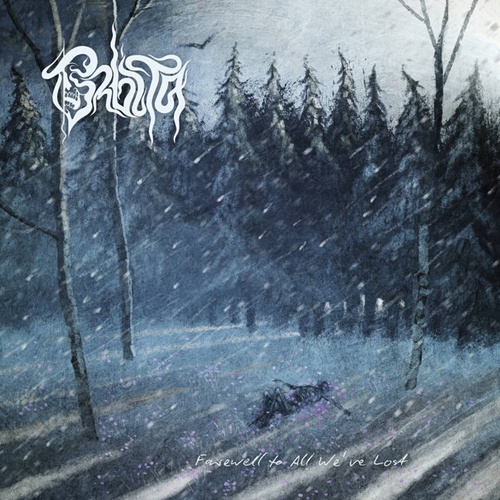
L’artwork di Benjamin König mostra un cadavere dal quale, in mezzo alla desolazione, nascono pochi fiori. Qual è stata la vostra reazione quando avete visto per la prima volta l’immagine finita e avete capito che aveva tradotto visivamente il significato del disco?
È stato straordinario, gli abbiamo solo suggerito qualche piccola modifica. Benjamin ha colto immediatamente i nostri riferimenti trasformandoli in un quadro perfetto.
“The Spear” supera i quattordici minuti ed è il brano più lungo del disco. Cosa vi ha spinto a lasciare che proprio questa composizione avesse uno spazio così ampio, e cosa volevate che rimanesse nell’ascoltatore una volta arrivati alla fine?
“The Spear” è stato il primo “nuovo” brano scritto. Gli abbiamo concesso tutto il minutaggio necessario, senza imporci durate precise o voler sacrificare qualcosa in favore di un esito più sintetico. È singolare che sia diventato infine il pezzo di chiusura del disco; ci lascia sgomenti, in uno stato d’animo a metà tra l’ineluttabilità e la procrastinazione della sospensione, del non sapere come va a finire. È questo sentimento ambivalente che speriamo accompagni chi l’ascolta.
Dopo il demo del 2023 e i cambi di formazione, oggi vi trovate finalmente con una line-up che considerate definitiva. Qual è la cosa più importante che avete imparato dagli anni di trasformazione degli Orbita e che non vorreste perdere entrando nella prossima fase della band?
La cosa che riteniamo fondamentale e che sicuramente abbiamo imparato da questa esperienza è che la band è fatta dai membri che la compongono. Se mai qualcuno di noi dovesse cambiare, non saranno più gli stessi Orbita. Sinergia e condivisione sono gli aspetti più importanti. Non è possibile scrivere musica senza squarciarsi completamente di fronte alle altre persone.
“Farewell To All We’ve Lost” rappresenta quindi un punto di arrivo, ma anche l’inizio della vostra storia discografica. Ora che avete definito questa nuova identità, verso quale territorio vorreste spingere gli Orbita con i prossimi concerti e con la musica che verrà?
È un addio, ma anche un punto di partenza. Stiamo già creando nuova musica, dalla quale vogliamo ancora una volta farci trasportare il più possibile. Nel frattempo, porteremo questo disco dal vivo, anche nella sua interezza, per crescere come musicisti e come band. Speriamo di incontrarvi sotto al palco!
Between abandonment, loss and rebirth, Orbita turn pain into a dense, layered sonic matter. In this interview, Gionni talks about the making of “Farewell To All We’ve Lost”, the band’s debut album released by Aural Music / Metaversus PR, focusing on instinctive songwriting, live recording and the new identity forged through lineup changes, influences and an increasingly personal vision of doom.
Hi Gionni, thanks for accepting this interview. Your debut album “Farewell To All We’ve Lost” comes after the “Into Nothingness I Walk” demo and several lineup changes that have accompanied a profound transformation in your sound. When did you realize that Orbita were becoming the band we hear today?
Hi, thanks so much for having us! During the songwriting process, it was fairly easy to realize that the new lineup was shaping a rather new sound compared to our previous output. There wasn’t one specific moment, also because some aspects can already be found in embryonic form on our first demo, “Into Nothingness I Walk”. Just think of the song “Ten Minutes”.
The album revolves around abandonment, loss and the disintegration of the self, leading towards a possible reconstruction. It came about as an unintentional concept: during the writing process, which song first made you realize that all these experiences were beginning to converge into the same narrative?
It would have been difficult for things to go any other way, since the state of mind that permeated the writing of the songs united us with a common thread, even though certainly in different ways. Actually, if you will, the unintentional element was only there at the beginning, let’s say during the first half of the writing process. When we wrote “Rotten Flowers”, which later became our first single, we already knew that the work we were creating would be a unified narrative with a common underlying theme.
You have described a process in which “the gut” generates the ideas and the brain organizes them. How did this approach translate concretely into the writing of “Farewell To All We’ve Lost”, especially when an idea born out of instinct had to become a fully developed musical structure?
The gut, in this case, represents feeling, urgency, that overwhelming force that doesn’t allow you to ignore what you feel, because it weighs on you like a boulder. In composition, however, just as in life, we can’t rely on instinct alone, nor can we pretend to embrace some kind of noble savage aesthetic, or worse, an infantile one. We wrote driven by a creative necessity that stemmed first and foremost from the need to express ourselves and exorcise the useless ruins of our abyss. Naturally, we developed and corrected the material as we went along. For example, in some cases we spent weeks rewriting even individual parts because we were never satisfied with the fill, the sound, or the vocal line; in other cases, like “Nèkyia”, the song basically came together in one shot. We can certainly say that whatever didn’t hit us immediately was eventually left out of the composition.
To preserve this sense of urgency, you chose to record live, with Enrico Baraldi supervising the sessions and working with you at Vacuum Studio. Was there a moment during the recordings when a spontaneous take changed the way you perceived one of the songs?
I have to admit that we arrived at the studio pretty well prepared, so the live recording process went smoothly. Since I’m the singer and had witnessed the execution of the songs from the “outside”, I was genuinely amazed by the power that Matt, Nunzio and Virgile managed to unleash. More than any particular take, it was the work on the sounds that changed some of our perspectives, for example pushing us to want to recreate that particular aspect in a live setting. So, in fact, it’s more a matter of sound than of a single take.
Your universe brings together very different references, from Bell Witch, Amenra and Warning to the cinematic atmospheres of Angelo Badalamenti and the songwriting of Matt Elliott. Which of these influences surprised you the most during the making of the album, because you didn’t expect to find it so clearly reflected in your music?
They are such huge and important names that they are almost intimidating! Our admiration for these musicians is immense, and being able to evoke even just an idea of those atmospheres makes us proud. Twin Peaks was mentioned countless times in the rehearsal room; it’s a major influence on all of us. So I think that Badalamenti’s trademark melancholy is what comes through most strongly on “Farewell To All We’ve Lost”. A nameless absence, at times sweet in its inevitability.
Benjamin König’s artwork depicts a corpse from which a few flowers emerge amid the desolation. What was your reaction when you first saw the finished artwork and realized that it had translated the meaning of the album into visual form?
It was extraordinary; we only suggested a few minor changes. Benjamin immediately understood our references and transformed them into a perfect painting.
“The Spear” runs for more than fourteen minutes and is the longest song on the album. What made you give this particular composition so much space, and what did you want the listener to be left with once they reached the end?
“The Spear” was the first “new” song we wrote. We gave it all the time it needed, without imposing any specific duration on ourselves or wanting to sacrifice anything in favor of a more concise outcome. It’s peculiar that it ultimately became the album’s closing track; it leaves us stunned, in a state of mind somewhere between inevitability and the postponement of suspension, of not knowing how it will end. This is the ambivalent feeling we hope stays with whoever listens to it.
After the 2023 demo and the lineup changes, you now finally find yourselves with a lineup you consider definitive. What is the most important thing you have learned from Orbita’s years of transformation that you would never want to lose as you enter the band’s next phase?
The thing we consider fundamental, and that we have certainly learned from this experience, is that a band is made up of the members who compose it. If any one of us were ever to leave, they would no longer be the same Orbita. Synergy and sharing are the most important aspects. You can’t write music without completely tearing yourselves open in front of other people.
“Farewell To All We’ve Lost” therefore represents a point of arrival, but also the beginning of your recording career. Now that you have defined this new identity, in which direction would you like to take Orbita with your upcoming shows and the music to come?
It’s a farewell, but also a starting point. We are already creating new music, which we once again want to let ourselves be carried away by as much as possible. In the meantime, we will be taking this album onstage, even performing it in its entirety, in order to grow as musicians and as a band. We hope to see you in front of the stage!

